Our Take
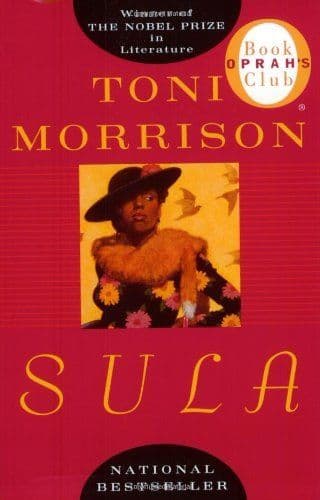
Toni Morrison's second novel, published in 1973, remains one of her most concentrated and powerful works—a slim book that contains multitudes. Sula examines female friendship with a complexity rarely seen in literature, refusing to sentimentalize the bond between Sula and Nel while honoring its profound importance to both women's lives. Morrison creates in Sula one of literature's most fascinating characters: a woman who refuses every convention, who lives entirely for herself in a way that both liberates and destroys. Nel, choosing marriage and respectability, seems conventional by contrast, yet Morrison shows how her choices require their own kind of courage and contain their own limitations. The novel's genius lies in Morrison's refusal to judge either woman or suggest one path is superior—instead, she shows how Black women navigate impossible choices in a world that offers them few options. The prose is lyrical and precise, packed with images and moments that burn into memory. Morrison explores how communities create scapegoats, how trauma echoes across generations, and how the ties between women can be both sustaining and suffocating. The Bottom itself becomes a character—a Black community with its own rhythms, cruelties, and solidarities. What makes Sula essential is how it centers Black women's interior lives, their desires and fears and moral complexities, without explaining them to a white audience. Morrison writes from inside the community, assuming readers will follow. The novel asks profound questions about freedom and responsibility, about what we owe each other and ourselves. Readers new to Morrison will find this more accessible than Beloved while still demonstrating her extraordinary gifts. For anyone seeking literature that explores female friendship, Black women's experiences, or simply prose of devastating beauty, Sula is indispensable—a classic that only grows more relevant with time.