Our Take
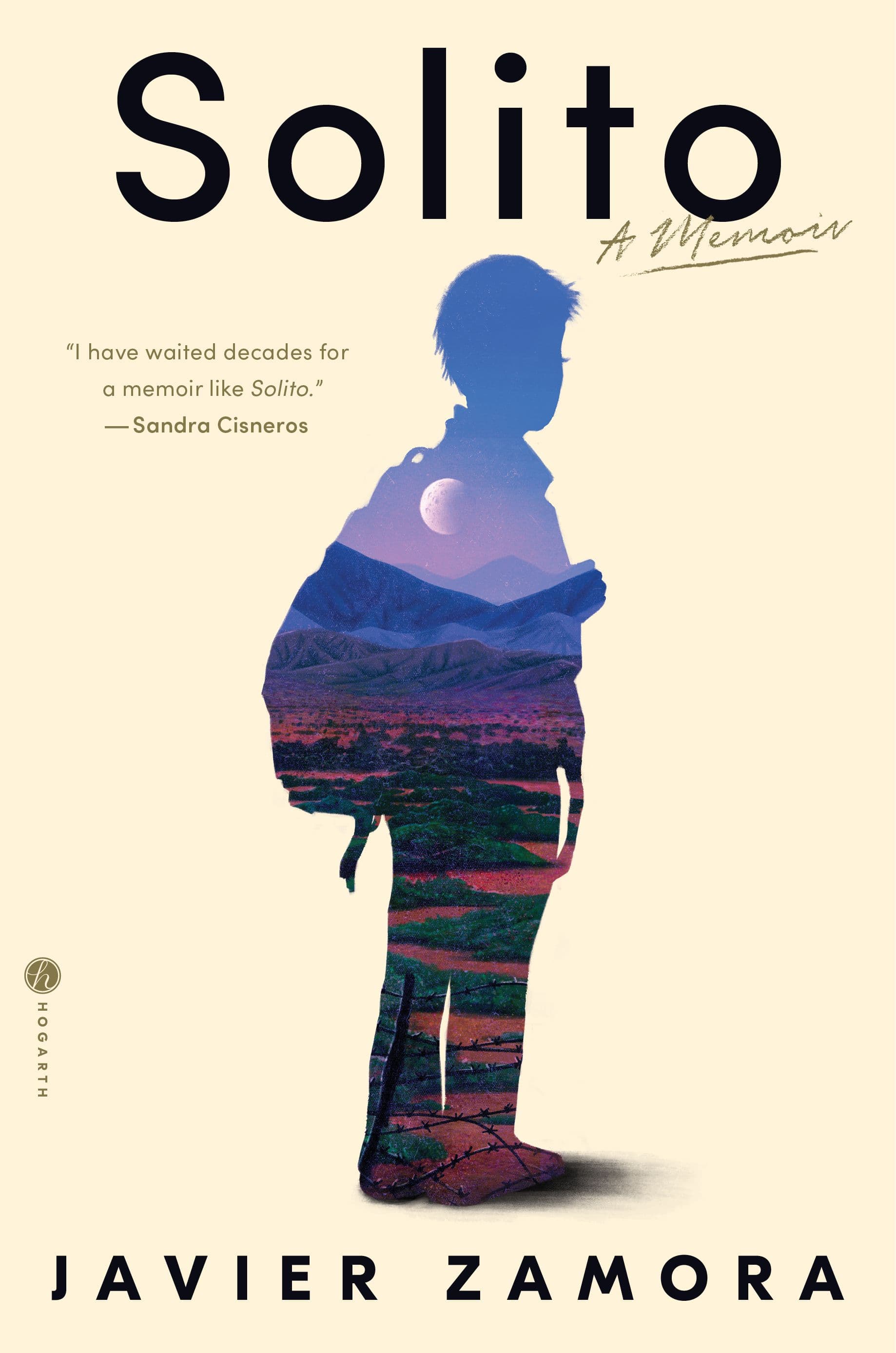
What separates Solito from other migration memoirs is the unbroken fidelity to a nine-year-old's point of view. Zamora never lets adult hindsight intrude to explain or contextualize — we experience the journey exactly as young Javier did, which means the terror is unfiltered and the moments of kindness are overwhelming. The result is one of the most viscerally effective memoirs in recent memory.
Zamora is first and foremost a poet, and it shows. His prose has an economy and a rhythm that keeps the pages turning even through the most harrowing passages. He is also, remarkably, funny — there is warmth and humor and the particular liveliness of a child who is paying fierce attention to everything around him. The book never tips into self-pity; it is too alive for that.
Readers who were moved by The Line Becomes a River by Francisco Cantú for its ground-level portrait of the U.S.-Mexico border will find Solito essential companion reading, told from the other side of that experience. When They Call You a Terrorist by Patrisse Khan-Cullors and The Unwanted by Don Brown occupy similar territory — urgent, personal, impossible to look away from. Solito is the kind of book that changes how you think about a crisis that statistics alone never could.