Our Take
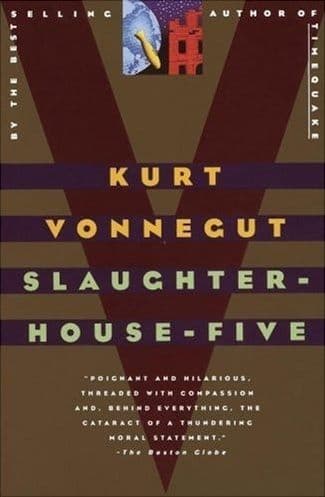
Slaughterhouse-Five revolutionized war literature by rejecting the conventional narrative of heroism and purpose, instead presenting warfare as absurd, senseless, and impossible to represent in traditional storytelling. Vonnegut's stroke of genius was to match form to content—the novel's fragmented, time-hopping structure mirrors both the psychological experience of trauma and the chaos of war itself. The science fiction elements, often dismissed by literary critics at the time, are essential to the novel's philosophical depth, allowing Vonnegut to explore how humans might make sense of existence if we could perceive time differently. Billy Pilgrim's Tralfamadorian perspective—"Everything is, and always was, and always will be"—offers a paradoxical comfort in its determinism while raising profound questions about free will and moral responsibility. What makes the novel enduringly powerful is how it balances cosmic detachment with deeply human moments of connection and compassion. Vonnegut's distinctive voice—combining black humor, plain-spoken directness, and sudden flashes of lyricism—creates an intimacy with readers that makes the novel's anti-war message far more effective than conventional moralizing. More than half a century after its publication, Slaughterhouse-Five remains the definitive literary response to the technological warfare of the 20th century, and its influence on subsequent generations of writers confronting historical trauma continues to expand.