Our Take
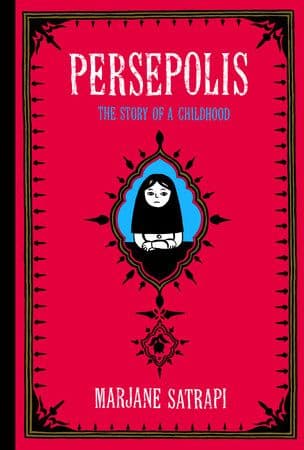
Persepolis is one of those books that genuinely expands what you think a book can do. Satrapi's choice to tell this story in graphic form isn't a concession to accessibility — it's a deliberate artistic decision that pays off on every page. The stark black-and-white panels capture something about the binary nature of life under a revolutionary regime that prose might struggle to render: the world divided into permitted and forbidden, visible and hidden, official and real.
What keeps the book from ever feeling like a history lesson is Marjane herself — curious, defiant, funny, and utterly compelling as a narrator. Satrapi never lets the political overwhelm the personal; the scenes of family life are as vivid and carefully drawn as the crowd sequences and street protests. The result is a memoir that humanizes an often-misrepresented country and era with warmth and without sentimentality.
Readers who loved Riad Sattouf's The Arab of the Future for its similarly disarming child's-eye view of Middle Eastern political upheaval will find a natural companion here, as will those drawn to Azadeh Moaveni's Lipstick Jihad for its portrait of Iranian identity under pressure. Essential, and genuinely one of a kind.