Our Take
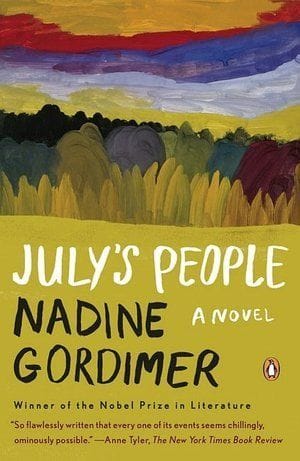
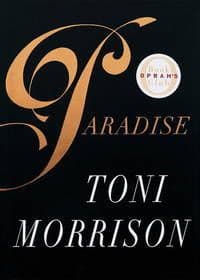
Morrison's first novel after winning the Nobel Prize is perhaps her most ambitious and challenging work, demanding complete attention from readers but rewarding them with profound insights into human nature and American history. The non-linear structure and multiple perspectives can be initially disorienting—even Oprah's Book Club audience struggled with it—but Morrison's approach serves her themes perfectly. By fragmenting the narrative, she mirrors how trauma and memory operate, forcing readers to piece together the truth just as the characters must reckon with their buried histories. The novel's exploration of how oppressed groups can become oppressors themselves feels painfully relevant, as Ruby's founders, having fled discrimination, create their own rigid hierarchy based on skin color and gender conformity. Morrison's prose achieves genuine epic scope, weaving folklore and myth into a meditation on paradise lost and the impossibility of utopia when built on exclusion. The book's magical realism elements, particularly the mystical conclusion, may not appeal to all readers, but they underscore Morrison's belief in the spiritual dimensions of trauma and healing. For those who appreciated the complex historical narratives in Colson Whitehead's The Underground Railroad or the multi-generational scope of Gloria Naylor's The Women of Brewster Place, this novel offers similar rewards. Paradise stands as essential reading for understanding Morrison's literary legacy and America's ongoing struggles with race, gender, and power.