Our Take
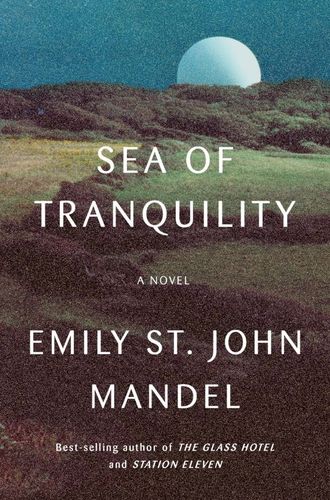
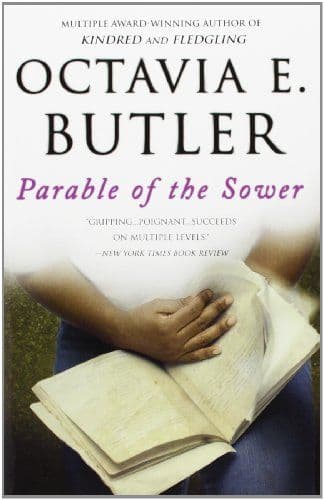
Published in 1993, Parable of the Sower feels unnervingly prophetic in its depiction of climate catastrophe, economic inequality, and social breakdown. Butler's genius lies in her ability to ground speculative fiction in deeply human emotions and relationships, creating a dystopia that never feels exploitative or sensational. Lauren Olamina stands as one of literature's most compelling protagonists—a young Black woman whose hyperempathy makes her both extraordinarily vulnerable and uniquely equipped to lead others toward survival. Butler's exploration of how communities form, dissolve, and reform under extreme pressure echoes the social consciousness found in works like The Handmaid's Tale by Margaret Atwood and Station Eleven by Emily St. John Mandel, but with a distinctly Afrofuturist perspective that centers Black experience and resilience. The novel's spiritual dimensions, particularly Lauren's development of Earthseed philosophy, add layers of depth that elevate it beyond typical dystopian fiction. Butler's prose is both accessible and profound, making complex ideas about adaptation, survival, and hope feel immediate and urgent. Essential reading for anyone interested in speculative fiction that grapples seriously with contemporary social issues, environmental concerns, and the power of visionary thinking to imagine better futures.