Our Take
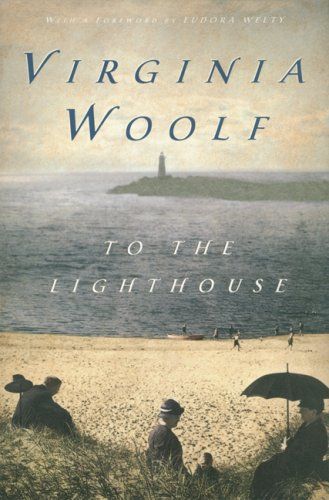
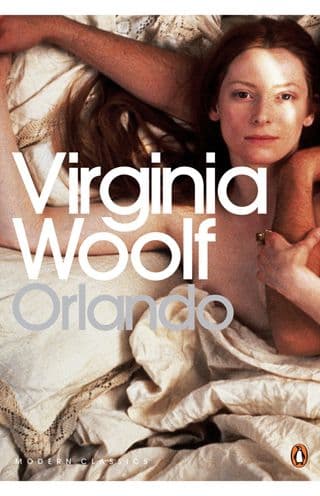
Orlando is Virginia Woolf at her most playful and subversive—a glittering experimental novel that feels astonishingly contemporary nearly a century after its publication. What could have been a dry academic exercise in challenging gender norms becomes instead a vibrant, witty romp through English history, powered by Woolf's luminous prose and sharp satirical eye. The novel's central conceit—a protagonist who lives for three centuries and changes gender midway through—allows Woolf to expose the absurdity of rigid gender roles while celebrating the fluidity of identity and desire. The biographical mockery is delicious, the social commentary cutting, and the love at the heart of the work palpable on every page. Woolf writes with a lightness that belies the novel's radical questioning of biography, time, sex, and literature itself. Readers who appreciate bold, formally inventive fiction like The Hours by Michael Cunningham or Middlesex by Jeffrey Eugenides will find a brilliant precursor here. Orlando remains essential reading not just as a modernist masterpiece, but as a joyful celebration of transformation, creativity, and love that transcends all boundaries.