Our Take
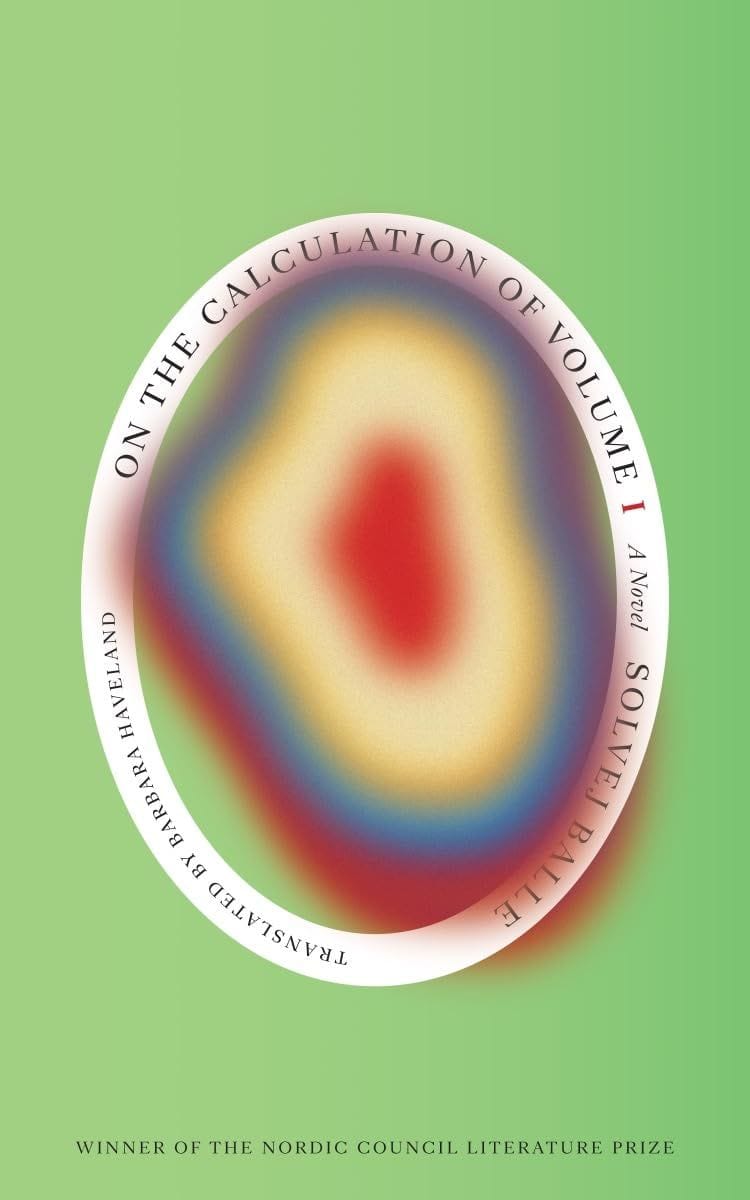
Danish author Solvej Balle has created something extraordinary with this seven-volume experimental novel, and translator Barbara J. Haveland has brilliantly rendered its peculiar magic in English. On the Calculation of Volume takes the familiar time-loop premise—think Groundhog Day—and transforms it into something far stranger and more philosophically rich. Rather than seeking escape or using her repetition for comedy or self-improvement, Tara experiences her endless November 18th with increasing existential weight, confronting questions about free will, significance, and whether individual actions matter at all. Balle's prose is mesmerizing, slowing time to a near-halt while paradoxically making the reading experience feel urgent and absorbing. The book rewards close attention—minute variations in each iteration of the day create patterns and meanings that accumulate subtly. What could have been claustrophobic instead becomes expansive, as Balle uses constraint to explore vast philosophical territory. The novel's experimental structure—this is just volume one of seven—might sound daunting, but the slim first volume works as a complete experience while leaving you craving more. Balle has been compared to Kafka and Borges for good reason, creating worlds where the surreal reveals deeper truths about reality. Readers who loved Jenny Erpenbeck's Kairos or appreciated the temporal experiments of Tom McCarthy will be captivated. For those seeking fiction that challenges conventional narrative while remaining deeply humane and strangely beautiful, On the Calculation of Volume is a remarkable achievement—writing that truly listens, as one reviewer noted, making you feel caressed by language itself.