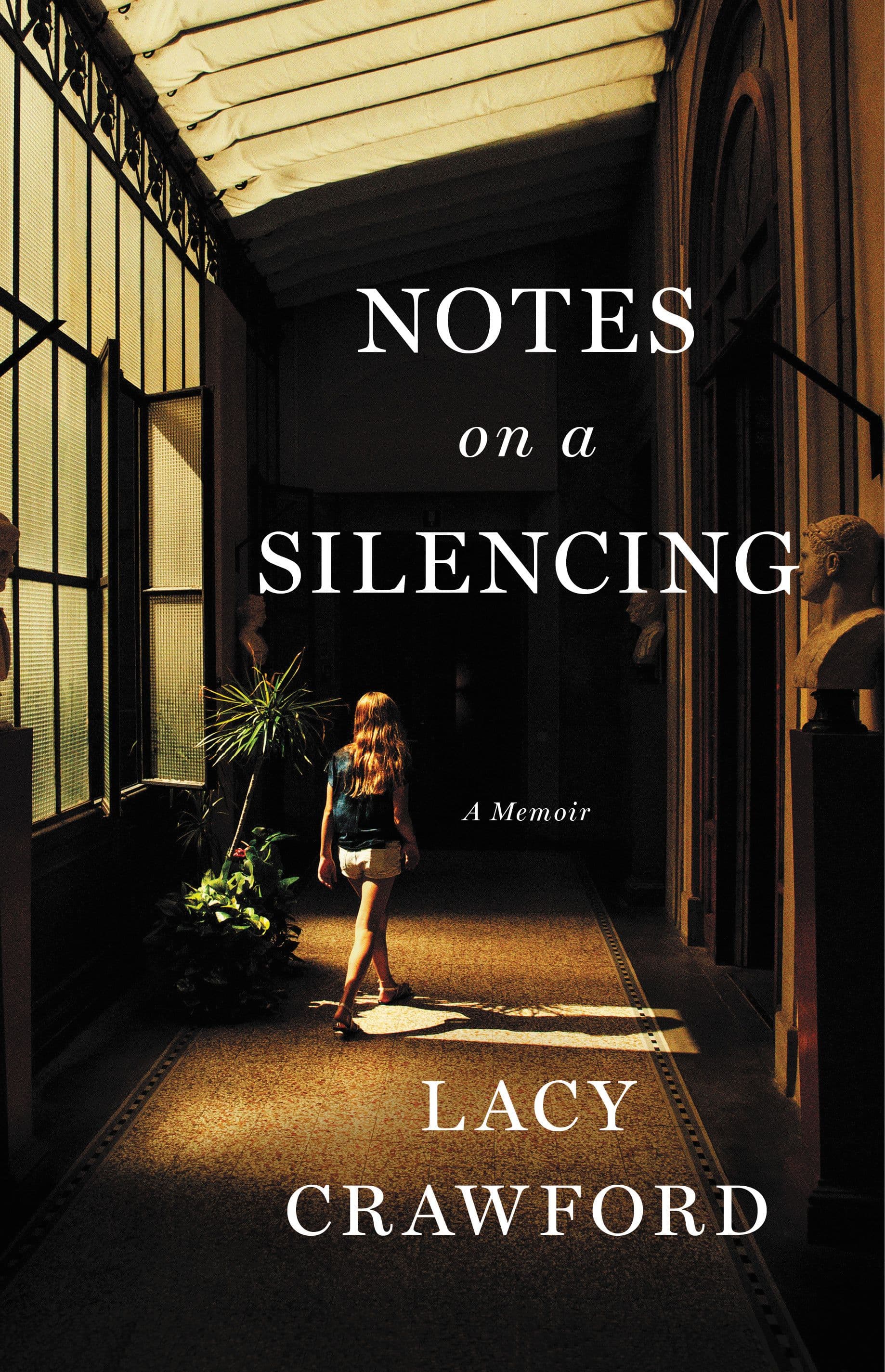
Notes on a Silencing
by Lacy Crawford
Memoir
True Crime
Biography
400 Pages
"Powerful and scary and important and true. Notes on a Silencing is a haunting exploration of how rarely women are granted any kind of justice, and how institutions systematically bury stories of assault."
Synopsis
When the elite St. Paul's School came under state investigation after extensive reports of sexual abuse on campus, Lacy Crawford thought she'd put behind her the assault she'd suffered decades before, when she was fifteen. Still, when detectives asked for victims to come forward, she sent a note. Her criminal case file reopened, she saw for the first time evidence that corroborated her memories. Here were depictions of the naïve, hard-working girl she'd been—a chorister and debater, the daughter of a priest; of the two senior athletes who assaulted her and were allowed to graduate with awards; and of the faculty, doctors, and priests who had known about Crawford's assault and gone to great lengths to bury it. Now a wife, mother, and writer living on the other side of the country, Crawford learned that police had uncovered astonishing proof of an institutional silencing years before, and that unnamed powers were still trying to block her case. This revelation launched Crawford on an extraordinary inquiry into the ways gender, privilege, and power shaped her experience as a girl at the gates of America's elite, running deep into the channels of shame and guilt that dictate who can speak and who is heard in American society.
Our Take
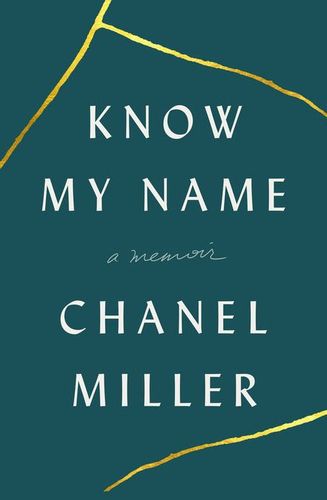
Lacy Crawford's Notes on a Silencing is both devastatingly personal and urgently universal—a memoir crafted with the precision of a thriller that sent shockwaves through the country when it was published in 2020. Crawford's prose moves between elegant restraint and raw emotion, documenting not just her assault at fifteen, but the systematic institutional gaslighting that followed. What makes this book extraordinary is Crawford's meticulous investigative work: she corroborates every memory with medical records, police reports, and documented evidence, writing like someone who has spent a lifetime not being believed. The result is as much a work of journalism as memoir, exposing how an elite boarding school weaponized shame, threats, and political connections to silence survivors for decades. Her unflinching examination of privilege, power, and patriarchal systems resonates far beyond her own story, asking the essential question: what telling of a survivor's story will finally force accountability? For readers drawn to the courageous testimony in Chanel Miller's Know My Name or the institutional critique of Tara Westover's Educated, Crawford's book offers similar power and moral clarity. A New York Times Notable Book and Best Book of the Year by Time, NPR, and People, this memoir prompted St. Paul's School to issue a formal apology to Crawford—proof that speaking truth to power can, sometimes, create change. Essential, haunting, and brilliantly told.