Our Take
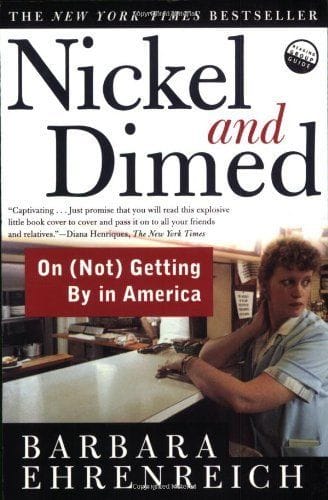
Nickel and Dimed remains as urgent and relevant today as when it was published over two decades ago—perhaps more so. Barbara Ehrenreich's experiment in immersive journalism exposes the brutal mathematics of poverty: how housing deposits require money you don't have, how physical exhaustion makes it impossible to job hunt for better work, how the working poor subsidize corporate profits through wages that require government assistance to survive. What makes this book exceptional is Ehrenreich's ability to balance righteous anger with genuine affection for her coworkers. She never condescends or romanticizes, instead documenting with clear-eyed precision the dignity, resilience, and quiet desperation of people working multiple jobs and still falling short. Her prose is accessible and often darkly funny, making complex economic realities understandable without oversimplifying. Some critics note her advantages as a white woman with an escape route, but Ehrenreich herself acknowledges these privileges while arguing they only underscore how impossible the situation is for those without safety nets. The book sparked national conversations about living wages and inspired countless readers to reexamine their assumptions about poverty and work. Readers who appreciated Evicted by Matthew Desmond or Hand to Mouth by Linda Tirado will find similar power here. Nickel and Dimed is essential reading for understanding economic inequality in America—a searing indictment of a system that demands full-time work but refuses to provide full-time survival.