Our Take
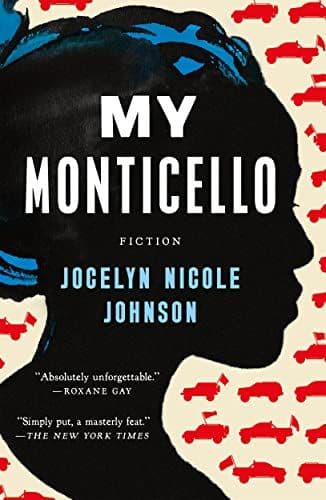
Johnson's central conceit — a Jefferson-Hemings descendant seeking refuge in the very house that embodies America's foundational contradictions — is so precisely right that it feels less like a creative invention than an inevitability. But My Monticello earns its power not through the boldness of its premise alone but through the quality of its prose and the specificity of its characters. Johnson writes with a control that never tips into coldness, and her near-future settings feel less like speculation than like an honest account of where the present is already headed.
"Control Negro," the story that drew early attention from writers including Roxane Gay, demonstrates the range on display across the collection: its narrator is unreliable in ways that accumulate slowly, and the story's moral horror arrives not with a shock but with a terrible clarity. That quality — of understanding arriving too late and too completely — runs through the best work here.
Readers drawn to ZZ Packer's Drinking Coffee Elsewhere for its unflinching portraits of Black American life, or to Colson Whitehead's Zone One for its use of near-future dystopia to illuminate present-day racial reality, will find My Monticello a powerful companion. One of the most assured debuts in recent American fiction.