Our Take
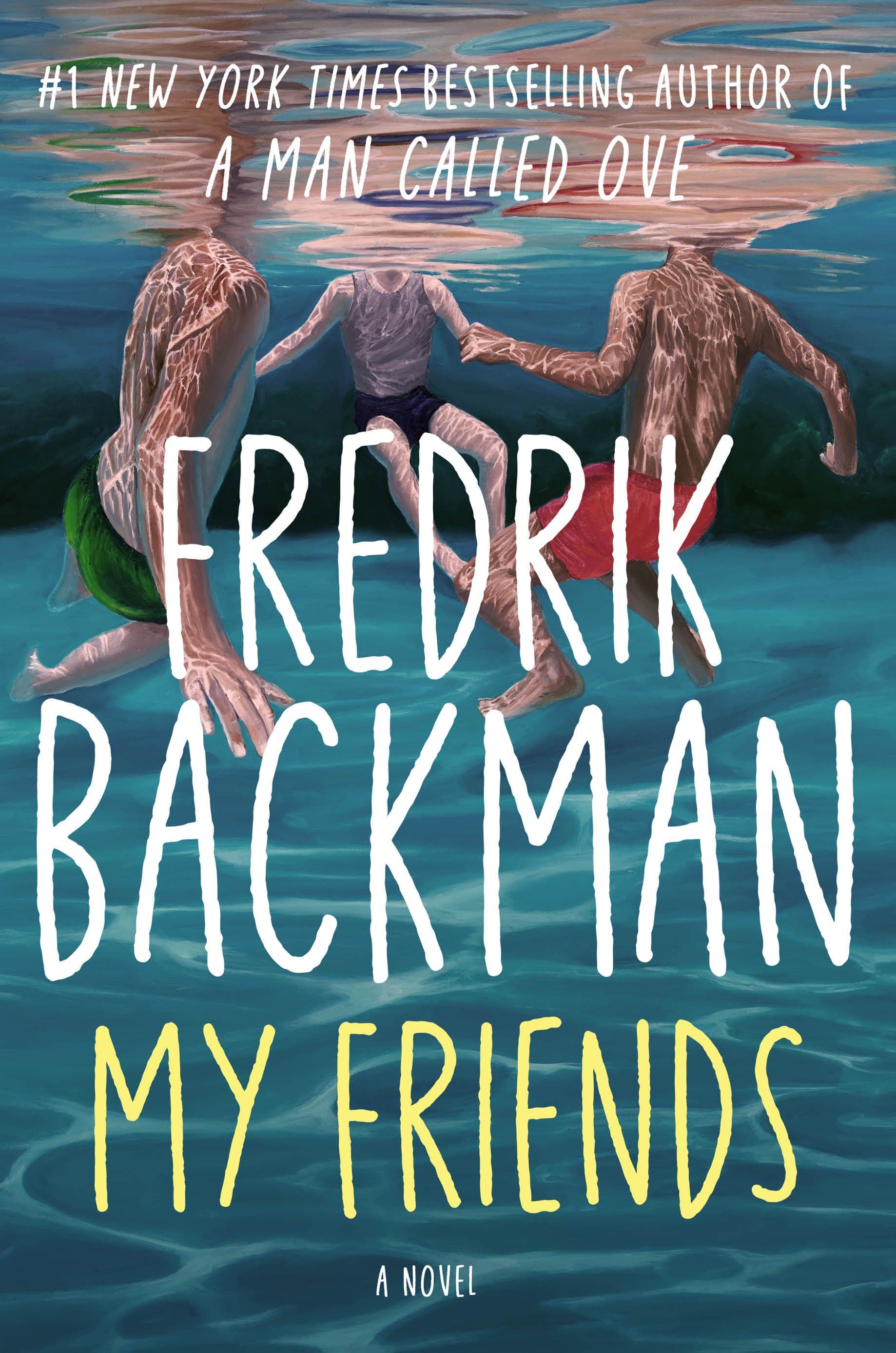
Fredrik Backman, whose novels A Man Called Ove and Anxious People have touched millions of readers worldwide, returns with a dual-timeline story that showcases his signature blend of humor, heartbreak, and profound humanity. My Friends alternates between Louisa's contemporary journey to uncover the painting's origins and the 1990s story of four teenagers who found solace in each other during a transformative summer. Backman excels at creating characters who feel like people you know—flawed, funny, desperately trying to be okay—and making their struggles feel universal even when they're specific. The teenagers escaping difficult home lives by claiming an abandoned pier as their refuge will resonate with anyone who's ever found salvation in friendship during dark times. Louisa's quest to understand the painting becomes a meditation on how art preserves moments and emotions that would otherwise be lost, and how stories connect strangers across decades. What makes Backman's writing so effective is his ability to balance lightness and weight—he'll make you laugh on one page and cry on the next, often within the same paragraph. The prose is accessible and warm, never pretentious despite tackling big themes about belonging, trauma, and healing. The novel explores how the friends we make during formative years shape who we become, and how sometimes the kindness of strangers can redirect our entire lives. Backman doesn't shy from difficult topics—abuse, loss, the ways systems fail vulnerable kids—but he always finds hope without resorting to false optimism. Readers who loved Matt Haig's The Midnight Library or Gabrielle Zevin's Tomorrow, and Tomorrow, and Tomorrow will find similar emotional resonance here. For anyone seeking fiction that reminds us why connection matters, that celebrates the redemptive power of friendship and art, My Friends is Backman doing what he does best—creating stories that make us feel less alone.