Our Take
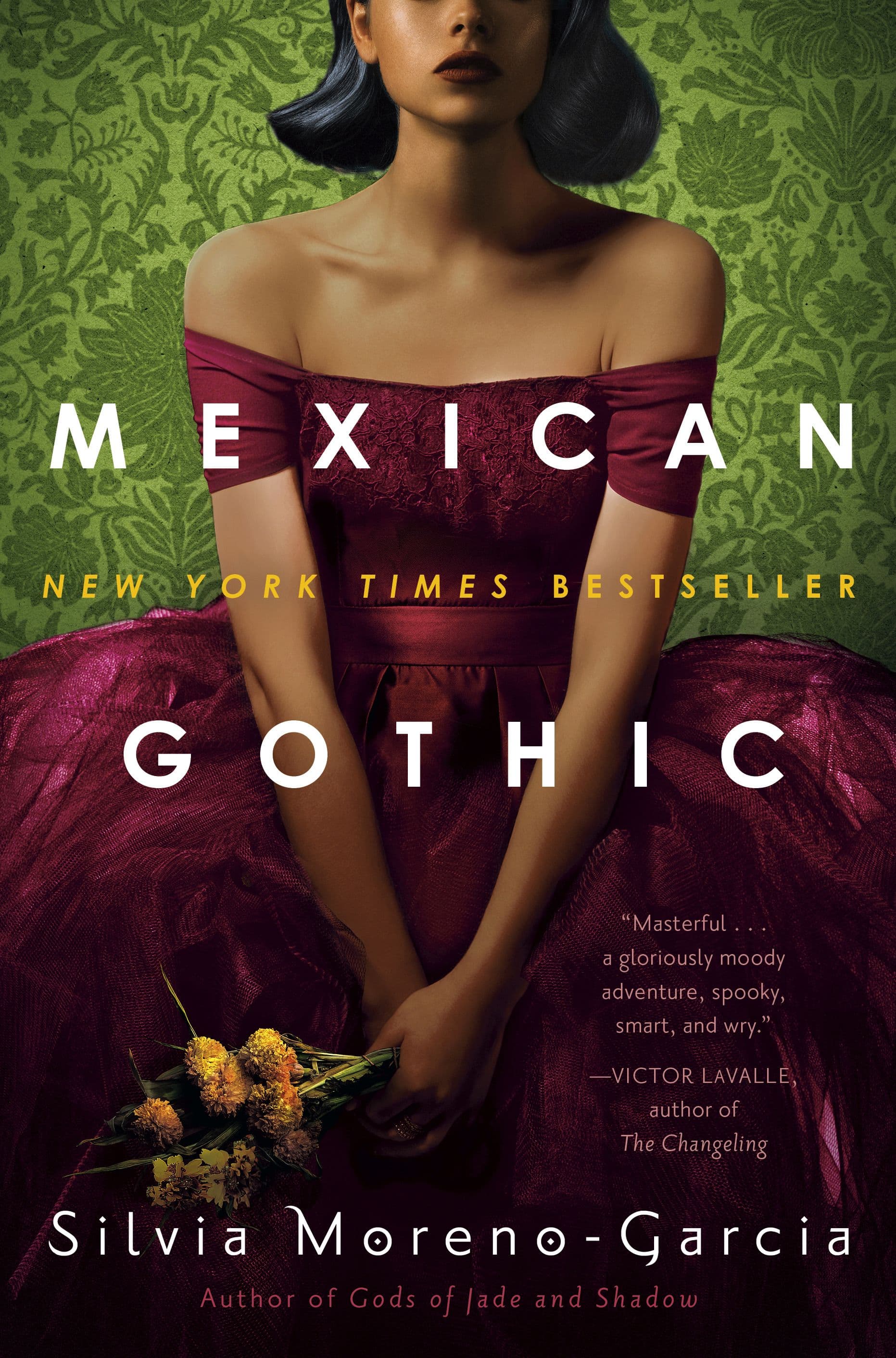
Moreno-Garcia has crafted a masterful Gothic novel that honors the traditions of the genre while completely subverting its typical power dynamics and colonial assumptions. Her background in both literature and anthropology brings authenticity to her exploration of how Gothic horror can serve as metaphor for real-world oppression and cultural domination. Readers who enjoyed The Silent Companions by Laura Purcell or The Invisible Life of Addie LaRue by V.E. Schwab will appreciate Moreno-Garcia's ability to blend supernatural elements with sharp social commentary. The character of Noemí is particularly well-crafted—intelligent, fashionable, and determined, she represents a new kind of Gothic heroine who refuses to be victimized or diminished by the horrors she encounters. Moreno-Garcia's prose creates genuine atmosphere and dread while maintaining the pacing necessary for both horror and literary fiction. Her integration of Mexican history and culture adds layers of meaning that elevate the story beyond typical genre boundaries. The fungal horror elements are both original and deeply unsettling, serving as perfect metaphors for how colonial attitudes literally poison and consume indigenous cultures. While the book contains genuinely frightening moments, Moreno-Garcia never loses sight of her characters' humanity or agency. Perfect for readers who enjoy literary horror with social consciousness, fans of Gothic fiction seeking fresh perspectives, and anyone interested in how genre fiction can address contemporary issues through historical settings. Mexican Gothic establishes Moreno-Garcia as one of the most important voices in contemporary speculative fiction, proving that the best horror stories are often the ones that force us to confront uncomfortable truths about power, privilege, and resistance.