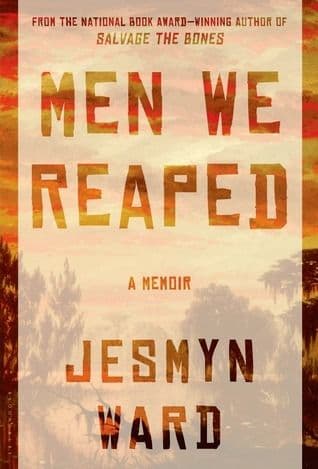
Men We Reaped
by Jesmyn Ward
Memoir
Social Issues
Race
256 Pages
"Ward's prose is devastating and beautiful—Men We Reaped is an unflinching examination of how racism and poverty create a landscape where young Black men are disposable, told with heartbreak and fierce love."
Synopsis
In five years, Jesmyn Ward lost five men in her life—to drugs, accidents, suicide, and the bad luck that follows people who live in poverty, particularly Black men. Dealing with these losses, one after another, made Jesmyn ask: why? As she began writing about the experience of living through all the dying, she realized a truth that took her breath away. Her brother and her friends all died because of who they were and where they were from, because they lived with a history of racism and economic struggle that fostered drug addiction and the dissolution of family and relationships. The answer was so obvious she felt stupid for not seeing it, but it nagged at her until she knew she had to write about her community, to tell their stories and her own. Jesmyn grew up in poverty in rural Mississippi. She writes powerfully about the pressures this brings—on the men who can do no right and the women who stand in for family in a society where men are often absent. She bravely revisits the agonizing losses of her only brother and her friends. As the sole member of her family to leave home and pursue higher education, she writes about this parallel American universe with the objectivity distance provides and the intimacy of utter familiarity.
Our Take
Jesmyn Ward, a two-time National Book Award winner for fiction, brings the same lyrical prose and emotional depth to this devastating memoir about loss, systemic racism, and survival in rural Mississippi. Men We Reaped is structured brilliantly, moving backward through the deaths of five young men while simultaneously moving forward through Ward's own coming-of-age story, creating a haunting convergence that illuminates how structural inequality manifests in individual tragedies. Ward refuses easy answers or sentimentality, instead offering clear-eyed analysis of how poverty, limited opportunities, and the legacy of racism created conditions where young Black men had few paths to choose from—and most led to early death. Her portraits of these men are tender and specific, rescuing them from becoming statistics while never losing sight of the larger forces that claimed their lives. The memoir is both intimate family story and incisive social critique, written with the kind of literary grace that makes unbearable truths bearable to read. Readers who appreciated Ta-Nehisi Coates's Between the World and Me or Kiese Laymon's Heavy will recognize Ward's unflinching honesty and formal innovation. For anyone seeking to understand how systemic injustice operates in America's most forgotten places, Men We Reaped is essential, heartbreaking, and ultimately transcendent reading.