Our Take
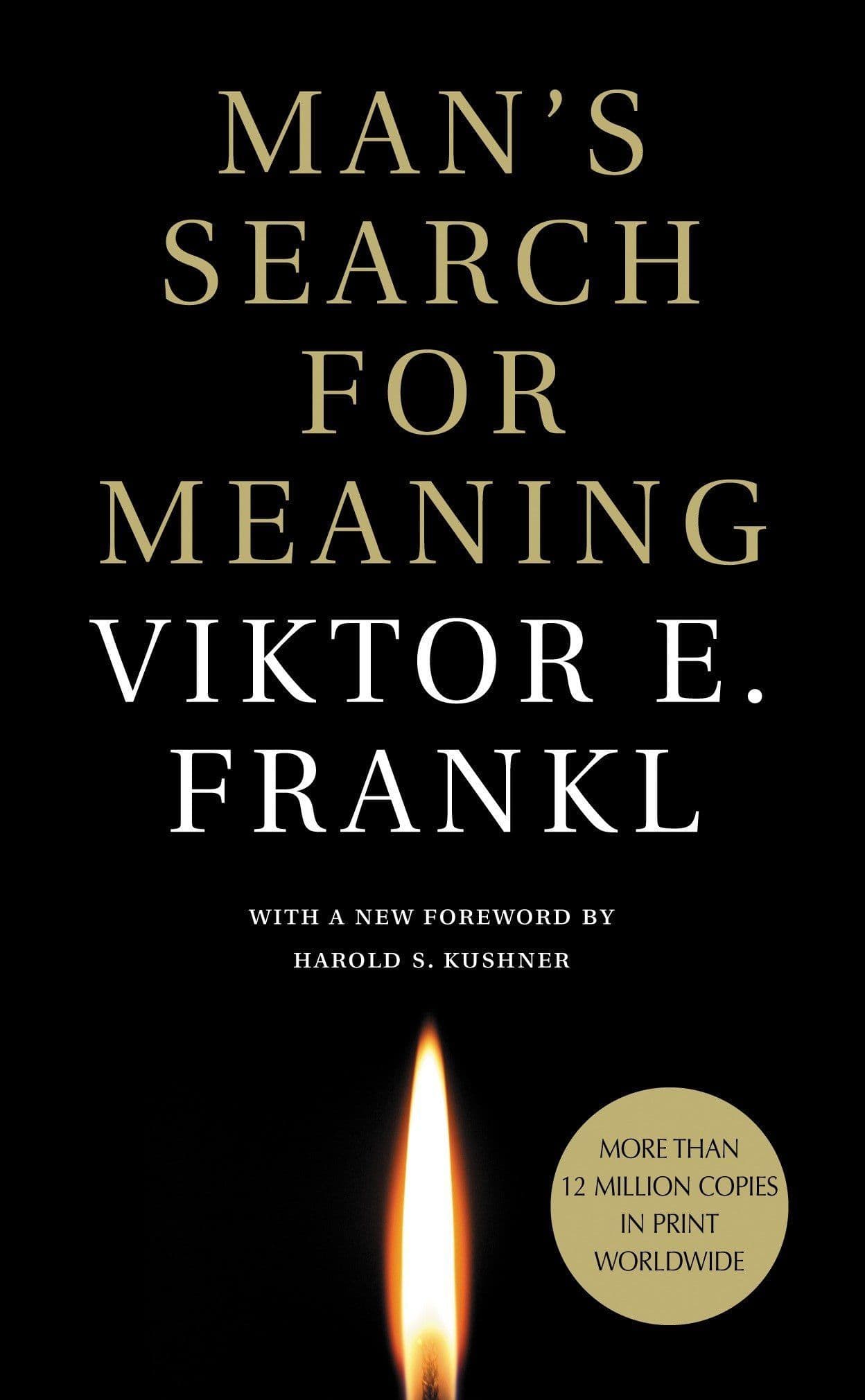
Viktor Frankl's Man's Search for Meaning stands as one of the twentieth century's essential texts—a book that has sold over twelve million copies and been named by the Library of Congress as one of the ten most influential books in America. What gives this slim volume such enduring power is Frankl's ability to transform unimaginable suffering into universal wisdom without diminishing either the horror of the Holocaust or the profundity of his insights. His central thesis—that humans are motivated not primarily by pleasure or power but by the search for meaning—emerged from observing which prisoners survived the camps and which succumbed to despair. Those who maintained a sense of future purpose, whether reuniting with loved ones or completing important work, possessed a reason to endure that transcended immediate circumstances. Frankl writes with remarkable restraint about his experiences, using clinical observation tempered by deep humanity. The second half, outlining logotherapy, provides practical applications of his philosophy, though the memoir section remains the book's emotional core. Unlike many self-help books promising easy answers, Frankl offers something more valuable: a framework for finding meaning in suffering that cannot be avoided. The prose is accessible and direct, making profound philosophical ideas comprehensible without oversimplification. For readers seeking books that have genuinely changed lives, Man's Search for Meaning delivers transformative wisdom earned through the ultimate test of human endurance—essential reading for anyone grappling with suffering, searching for purpose, or seeking to understand human resilience.