Our Take
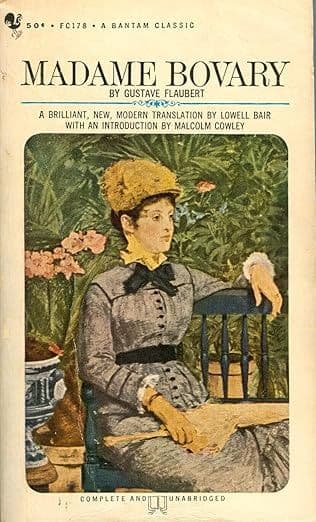
Madame Bovary revolutionized the novel through Flaubert's uncompromising commitment to aesthetic precision and psychological truth. His famous pursuit of "le mot juste" (the exact right word) resulted in prose of extraordinary sensory detail that captures both the physical world and the interior landscape of desire and disillusionment. What makes the novel enduringly relevant is its exploration of a universal human tendency: the gap between romantic expectation and everyday reality. Emma Bovary remains one of literature's most complex protagonists—simultaneously sympathetic in her yearning for beauty and meaning, yet tragic in her self-absorption and moral blindness. Flaubert's genius lies in his objective narrative stance, neither condemning nor excusing Emma, allowing readers to experience both empathy for her situation and critical distance from her choices. Beyond its psychological depth, the novel offers a devastating critique of the provincial bourgeois society that both constrains Emma and enables her self-destruction through consumer credit and romantic clichés. More than a century and a half after its publication (and obscenity trial), Madame Bovary remains the definitive portrait of how romantic idealism, when disconnected from ethical responsibility or genuine self-knowledge, can lead not to transcendence but to tragedy.