Our Take
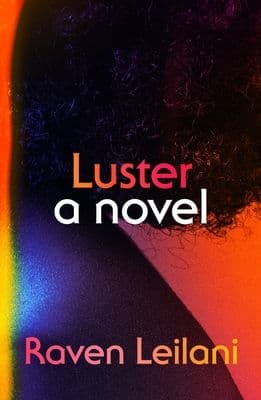
Luster is a stunning debut that announced Raven Leilani as a major new voice in contemporary fiction. What makes this novel extraordinary is Leilani's voice—sharp, funny, self-deprecating yet unflinching in its observations about race, sex, class, and millennial precarity. Edie is a mess, but she's a recognizable mess—adrift in gig economy jobs, making questionable decisions, using sex for validation, failing at the art she claims to care about. Leilani never asks us to like Edie, but she makes us understand her completely. The premise could easily veer into satire or melodrama, but Leilani keeps it grounded in psychological reality. The relationship with Eric is uncomfortable and messy in ways that feel authentic rather than sensationalized. The dynamic with his wife Rebecca—who treats Edie with clinical curiosity and strategic manipulation—is fascinating and disturbing. Most powerful is Edie's connection with the adopted daughter Akila, which becomes the emotional core of the novel. Their scenes together are tender without being sentimental, showing how two Black females navigate white spaces and find unexpected kinship. Leilani writes about race with nuance and dark humor, capturing microaggressions and systemic barriers without making the novel a thesis. The prose is electric—packed with unexpected metaphors and observations that make you stop and reread sentences. Some readers may find the ending abrupt, but it feels true to Edie's character and circumstances. Fans of Such a Fun Age by Kiley Reid or Open City by Teju Cole will appreciate Leilani's intelligence and formal innovation. Luster is essential reading for understanding contemporary fiction's new voices.