Our Take
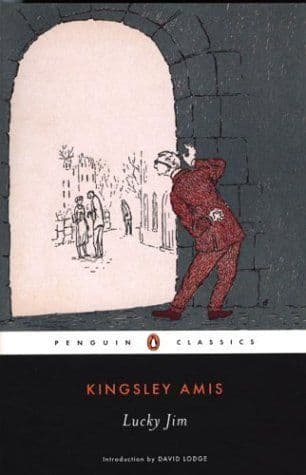
Kingsley Amis's debut novel arrived in 1954 like a grenade lobbed into the stuffy drawing rooms of postwar British literature, announcing the arrival of the "Angry Young Men" movement and permanently altering the landscape of English comic fiction. Lucky Jim follows Jim Dixon, a working-class lecturer desperately clinging to his position at a provincial university while surrounded by insufferable academics, pretentious artists, and the neurotic girlfriend he can't seem to shake. What makes the novel so brilliantly funny is Amis's command of internal monologue—Dixon's thoughts are a constant stream of barely suppressed rage and mockery, creating a devastating gap between what he must say to survive and what he actually thinks. The famous set pieces—Dixon's disastrous drunken lecture, the burned sheets at his professor's house, his elaborate facial expressions of disgust performed when no one is watching—remain as funny today as they were seventy years ago. But the novel is more than just slapstick; it's a serious critique of class pretension, academic phoniness, and the suffocating conventions of British society. Dixon represents a new kind of hero: irreverent, anti-intellectual (despite being an academic), allergic to pretense, and determined to find pleasure in a world dominated by bores. Amis writes with precision and economy, every sentence doing multiple jobs at once—advancing plot, revealing character, and delivering laughs. The influence on later British comedy is immeasurable, from Monty Python to The Office. Readers who love P.G. Wodehouse but wish Jeeves had more edge, or fans of Evelyn Waugh who want less Catholic guilt and more gleeful anarchism, will find Lucky Jim essential. For anyone seeking comedy that's both hilarious and literate, that skewers pomposity while demonstrating real literary craft, this remains one of the twentieth century's comic masterpieces.