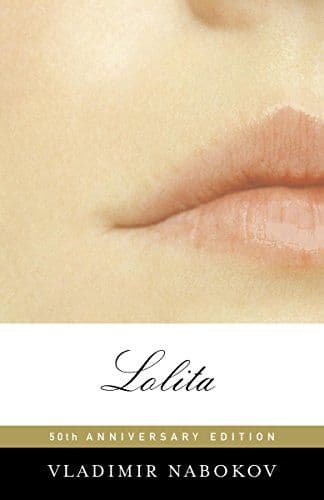
Our Take
Lolita presents readers with literature's most challenging ethical paradox: a novel of extraordinary linguistic beauty devoted to depicting the consciousness of a child abuser. Nabokov's masterpiece demands that we confront uncomfortable questions about art, morality, and perception. What makes the novel revolutionary is how it uses the unreliable narrator device to create a dual reading experience: through Humbert's seductive, ornate prose, we momentarily perceive the world through his distorted lens, while simultaneously maintaining awareness of the horror beneath his rationalizations. Despite Humbert's attempts to romanticize his crimes, Nabokov subtly reveals the devastating reality of Lolita's suffering through brief glimpses of her sobbing at night or attempting to assert independence. The novel's genius lies in this tension between aesthetic pleasure and moral revulsion—a tension that forces readers to examine how narrative perspective can manipulate sympathy and how artistic brilliance can be deployed to illuminate the darkest aspects of human psychology. Beyond its examination of depravity, Lolita offers a satirical portrait of mid-century American culture, exploring how commercialism, mobility, and false sentimentality create environments where exploitation can flourish beneath a veneer of normalcy. Nabokov's virtuosic command of English (his third language) produced some of the most dazzling prose of the 20th century, filled with wordplay, allusion, and metafictional elements that reward careful reading. Critically, the novel never excuses or glorifies Humbert's actions but instead exposes the self-deception and moral bankruptcy beneath his eloquent façade, ultimately revealing him as pathetic and destructive rather than romantic or tragic.