Our Take
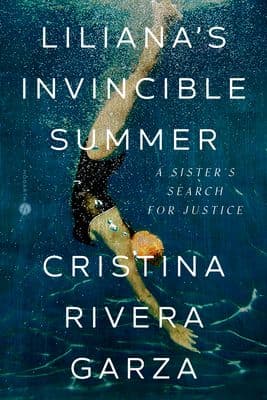
Cristina Rivera Garza, one of Mexico's most celebrated contemporary writers and a MacArthur Fellow, has created something extraordinary with Liliana's Invincible Summer—a book that transcends true crime to become a powerful meditation on femicide, sisterhood, and the act of bearing witness. Rather than focusing on the killer or the violence itself, Rivera Garza meticulously reconstructs her sister's vibrant life through artifacts: letters Liliana wrote, architectural drawings from her studies, police reports that reveal institutional indifference. The book becomes both elegy and indictment, honoring Liliana's hopes and dreams while exposing the systemic failures that allowed her murder to go unpunished in a country where femicide has reached epidemic proportions. Rivera Garza writes with the precision of a scholar and the heart of a grieving sister, creating prose that is simultaneously analytical and deeply emotional. She examines not just what happened but how we remember, how we grieve, and how survivors carry the weight of unresolved trauma. The book refuses to sensationalize violence, instead insisting on Liliana's full humanity—her architecture studies, her love of travel, her intellectual curiosity, her complicated relationship with a boyfriend whose possessiveness escalated into murder. What makes this essential reading is Rivera Garza's ability to connect her sister's story to broader patterns of gendered violence in Mexico and globally, showing how individual tragedies illuminate systemic injustices. Readers who appreciated Rachel Louise Snyder's No Visible Bruises or Jeannie Vanasco's Things We Didn't Talk About When I Was a Girl will recognize Rivera Garza's commitment to examining violence against women with both rigor and compassion. For anyone seeking true crime that centers victims rather than killers, that demands justice rather than simply documenting horror, Liliana's Invincible Summer is transformative, necessary reading.