Our Take
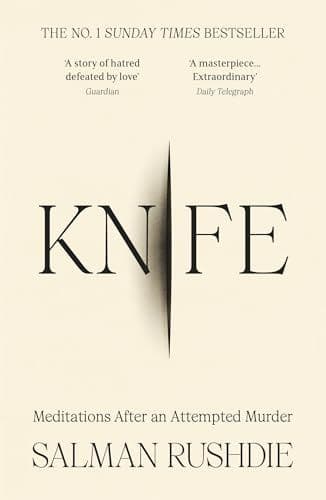
Rushdie has transformed his most traumatic experience into a work of profound literary and philosophical significance, demonstrating once again why he remains one of our most important voices for intellectual freedom. His ability to write about such personal trauma with both vulnerability and analytical distance showcases the skills that have made him a master of both fiction and nonfiction. Readers who appreciated Joseph Anton, his previous memoir about living under the fatwa, will find this a powerful continuation of his examination of art, faith, and freedom. The book's strength lies in Rushdie's refusal to allow trauma to define him, instead using it as a lens through which to explore larger questions about violence, ideology, and human resilience. His prose maintains its characteristic elegance and wit even when dealing with the darkest subject matter, proving that style and substance can coexist even in the most challenging circumstances. The imagined conversations with his attacker represent a remarkable act of empathy and intellectual courage, attempting to understand hatred without excusing it. His gratitude toward those who saved and supported him provides uplifting counterpoint to the book's darker themes, celebrating human goodness in the face of inexplicable violence. Perfect for readers interested in contemporary literature and free speech issues, those seeking memoirs that transform personal trauma into universal insight, and anyone who believes in the power of words to overcome violence. Knife stands as both important literary document and inspiring testament to the human spirit's capacity for healing and growth. Rushdie proves that even the most vicious attempts to silence a voice can ultimately make it stronger and more essential.