Our Take
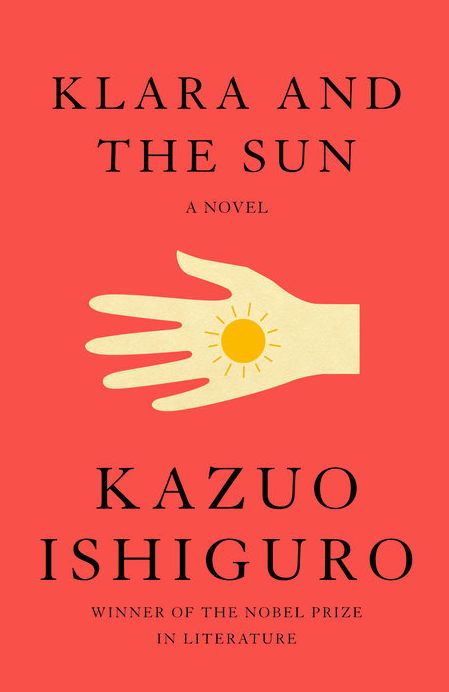
Ishiguro won the Nobel Prize for a reason, and Klara and the Sun shows exactly why he's uniquely suited to science fiction. Like Never Let Me Go, he uses a narrator who doesn't fully grasp the horror of her own situation to devastating effect, letting readers feel the weight of what she can't articulate. Fans of Ishiguro's quiet, controlled prose will recognize the same restraint here, and readers who loved the ache of The Remains of the Day will find similar emotional undertow. It also sits comfortably alongside Machines Like Me in its interrogation of what artificial companionship really means. What makes this one stand apart is Klara's voice: an Artificial Friend whose entire understanding of love, sacrifice, and hope is built from observation rather than instinct, and whose faith in the Sun as a literal source of healing gives the book an almost religious, fable like quality. It's slower than most sci-fi, more interested in longing than plot mechanics, but that patience pays off. By the end, you're left questioning what devotion actually requires and whether being needed is the same as being loved.