Our Take
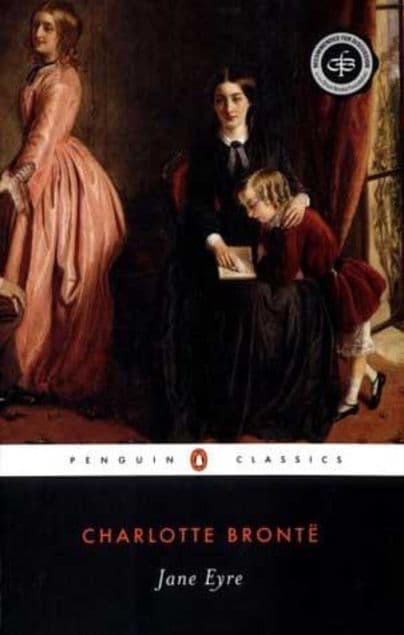
Jane Eyre stands as one of literature's most revolutionary female protagonists—"poor, obscure, plain, and little," yet possessed of an indomitable spirit that refuses to compromise her dignity or principles. Charlotte Brontë's novel was groundbreaking in its intimate, first-person portrayal of a woman's psychological and emotional development. The book's radical stance on female autonomy—Jane's insistence that she is Rochester's equal despite societal differences—challenged Victorian sensibilities while creating a template for feminist literature that remains powerful today. Brontë masterfully balances Jane's passionate nature with her moral conviction, creating a character whose search for belonging never descends into self-abandonment. The novel's Gothic elements—mysterious sounds, hidden secrets, dreams and premonitions—serve both as compelling plot devices and as expressions of Jane's inner emotional landscape. Nearly two centuries after its publication, Jane Eyre continues to captivate readers with its perfect fusion of romantic passion and ethical integrity, demonstrating how true love must be founded on mutual respect and personal freedom.