Our Take
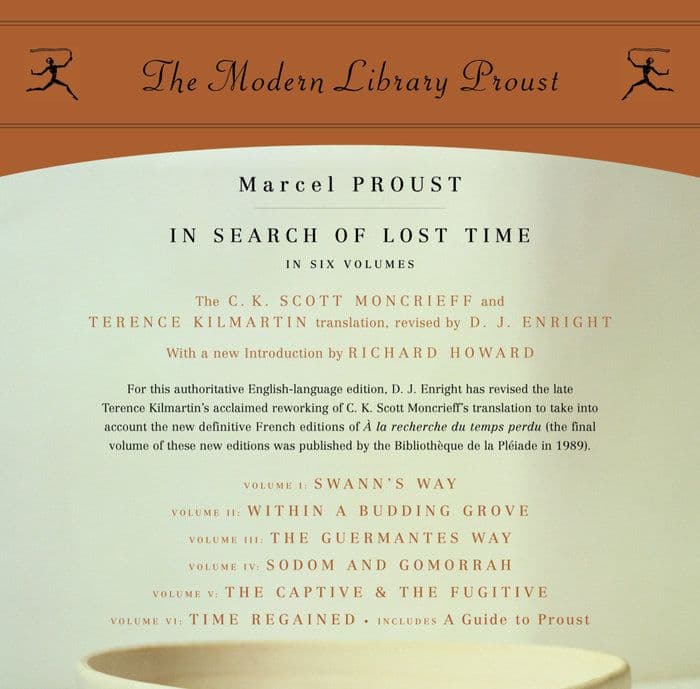
In Search of Lost Time stands as both literature's most ambitious exploration of human memory and its most comprehensive portrait of social change at the dawn of the modern era. Proust's monumental achievement lies in his unique fusion of minute psychological observation with expansive social analysis, all conveyed through prose of unparalleled sensory richness and philosophical depth. The famous "madeleine moment" introduces the novel's central insight: that involuntary memory can suddenly restore lost time with an immediacy and emotional power that voluntary recollection cannot. What makes Proust's approach revolutionary is how he extends this insight into a comprehensive theory of art, suggesting that the artist's task is to decipher and express the impressions that connect our inner and outer worlds. Beyond its philosophical richness, the novel offers an encyclopedic social history of France during a pivotal period of transition, chronicling the decline of aristocratic power, the rise of bourgeois values, changing attitudes toward homosexuality, the impact of the Dreyfus Affair, and the trauma of World War I. Proust's genius for character creation is exemplified in figures like the snobbish Baron de Charlus and the jealousy-inducing Albertine, who remain among literature's most complex psychological portraits. Though its length has intimidated generations of readers, those who enter Proust's world discover not an academic exercise but an intensely living experience that transforms how they perceive their own memories, sensations, and relationships. Few works of literature have so profoundly changed how we understand the relationship between consciousness, time, and art.