Our Take
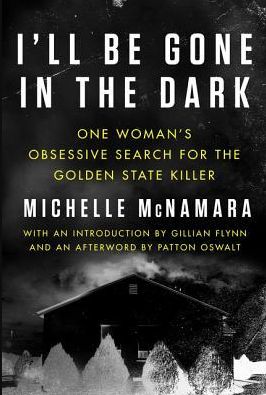
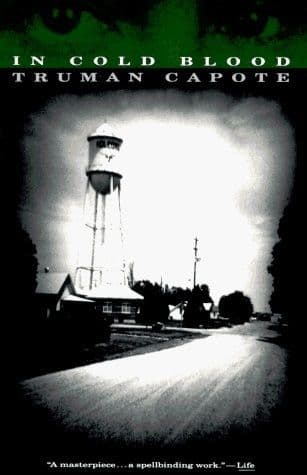
More than 60 years after its publication, In Cold Blood remains the gold standard for true crime writing, a book that created an entire genre while transcending it. Capote's achievement lies not just in his meticulous research but in his ability to humanize everyone involved without excusing the inexcusable. His prose is elegant and controlled, building psychological complexity that makes this as much a study of American society as a crime story. The book's influence on contemporary true crime cannot be overstated—readers who love The Devil in the White City by Erik Larson or I'll Be Gone in the Dark by Michelle McNamara are following in Capote's footsteps. Like Helter Skelter by Vincent Bugliosi, this book gets inside the minds of killers while maintaining moral clarity about their actions. What sets Capote apart is his literary ambition—he wanted to prove that nonfiction could achieve the artistic heights of fiction, and he succeeded brilliantly. The ethical questions the book raises about the relationship between journalist and subject remain relevant today, making this essential reading not just for true crime fans but for anyone interested in the power and responsibility of storytelling. This is a masterpiece that defined a genre while asking uncomfortable questions about violence, justice, and the American psyche.