Our Take
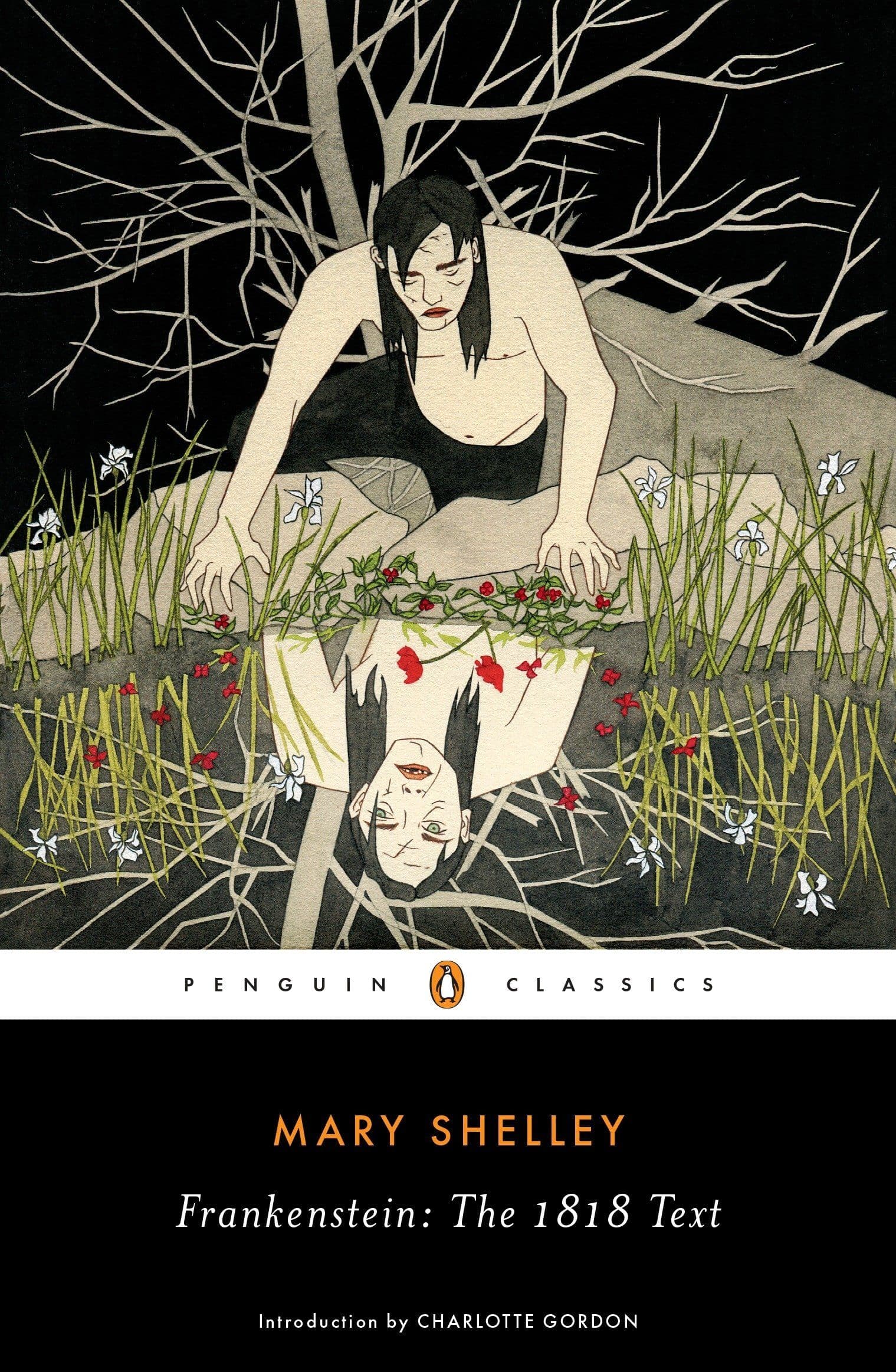
Frankenstein stands as one of literature's most prescient and enduring works—a novel that invented science fiction as we know it while exploring ethical questions that have only grown more urgent with time. Mary Shelley's genius lies in how she uses Gothic elements to explore deeply philosophical concerns about scientific responsibility, parental duty, and the consequences of rejecting what we create. Popular culture has often reduced the story to a simple monster tale, but the novel's power comes from its complex moral landscape where Victor Frankenstein, not his creation, emerges as the more monstrous figure—abandoning his responsibility and refusing empathy to a being who desires only connection and acceptance. The creature's eloquent narration forms the emotional core of the novel, offering one of literature's most moving accounts of loneliness and otherness. Written during the industrial revolution and influenced by contemporaneous debates about electricity and galvanism, Frankenstein anticipates our modern anxieties about artificial intelligence, genetic engineering, and other technologies that challenge the boundaries of what it means to be human. Two centuries later, Shelley's cautionary tale remains the essential text for understanding the ethical dimensions of scientific innovation.