Our Take
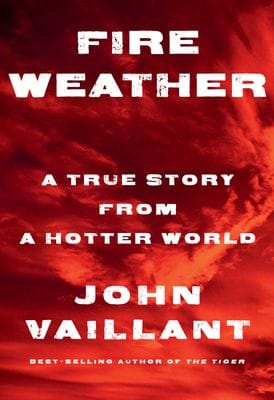
John Vaillant has written the definitive chronicle of our fiery present and future. Fire Weather operates as both gripping disaster narrative and essential climate text, demonstrating Vaillant's remarkable ability to make complex scientific and historical material feel immediate and visceral. His account of Fort McMurray's destruction reads like a thriller, yet never loses sight of the deeper forces at work—the bitter irony that an oil industry town became the poster child for climate catastrophe is not lost on Vaillant, who handles this tension with nuance and power. The book's greatest strength lies in how it contextualizes our current crisis within the long arc of human history, showing how our species' relationship with fire is fundamentally transforming. Vaillant's prose combines the clarity of the best science writing with the emotional punch of literary nonfiction. Readers who appreciated the urgent environmentalism of The Sixth Extinction by Elizabeth Kolbert or the narrative power of The Perfect Storm by Sebastian Junger will find Fire Weather essential reading. This is not simply a book about wildfires—it's a profound examination of how we've altered our planet and what that means for human survival. Vaillant has given us a critical text for understanding the Anthropocene, one that demands we reckon with the consequences of our choices before the next fire season begins.