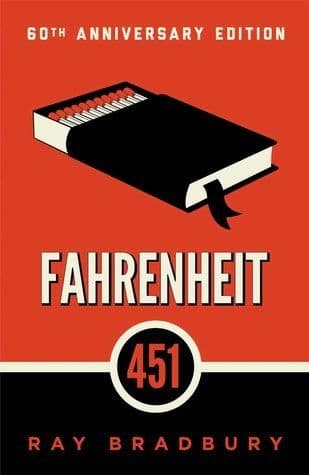
Fahrenheit 451
by Ray Bradbury
Dystopian
Science Fiction
Classic
194 Pages
"Bradbury's vision feels more urgent than ever—a haunting reminder of what we lose when we stop questioning and start burning."
Synopsis
In a future American society where books are outlawed and burned by firemen, Guy Montag takes pride in his work as a destroyer of literature. His world is one of instant gratification, where wall-sized televisions provide constant entertainment and critical thinking is discouraged. People live in a state of passive consumption, disconnected from meaningful relationships and deep thought. Montag's comfortable existence begins to unravel when he meets Clarisse McClellan, a seventeen-year-old neighbor whose curiosity and love of nature challenge his assumptions about happiness and fulfillment. When Clarisse disappears and Montag witnesses a woman choose to burn with her books rather than live without them, he begins to question the society he serves. His growing doubt intensifies when his wife Mildred attempts suicide, highlighting the emptiness beneath their seemingly perfect life. Fahrenheit 451 follows Montag's transformation from obedient fireman to fugitive as he begins secretly reading the books he's supposed to destroy. With the help of former English professor Faber, Montag discovers the power of literature to preserve human knowledge and foster critical thinking. As society teeters on the brink of war, Montag must choose between the safety of conformity and the dangerous path of intellectual freedom.
Our Take
Published in 1953, Fahrenheit 451 remains one of the most prescient and powerful dystopian novels ever written, anticipating many aspects of our modern digital landscape with remarkable accuracy. Bradbury's genius lies not just in imagining a world without books, but in exploring how that world came to be—not through government force alone, but through society's willing embrace of entertainment over enlightenment. The novel's themes resonate strongly with contemporary concerns about information overload, shortened attention spans, and the echo chambers of social media. Montag's journey from complicity to rebellion echoes the transformative arcs found in 1984 by George Orwell and Brave New World by Aldous Huxley, but Bradbury's focus on the emotional and spiritual costs of intellectual suppression gives his work a unique warmth and humanity. The book's relatively short length makes it accessible while never sacrificing depth or complexity. Bradbury's poetic prose style elevates the narrative beyond simple cautionary tale, creating moments of genuine beauty amid the darkness. Essential reading for anyone interested in the relationship between technology and human connection, the importance of preserving knowledge, and the ongoing relevance of classic science fiction that continues to illuminate our present moment.