
Our Take
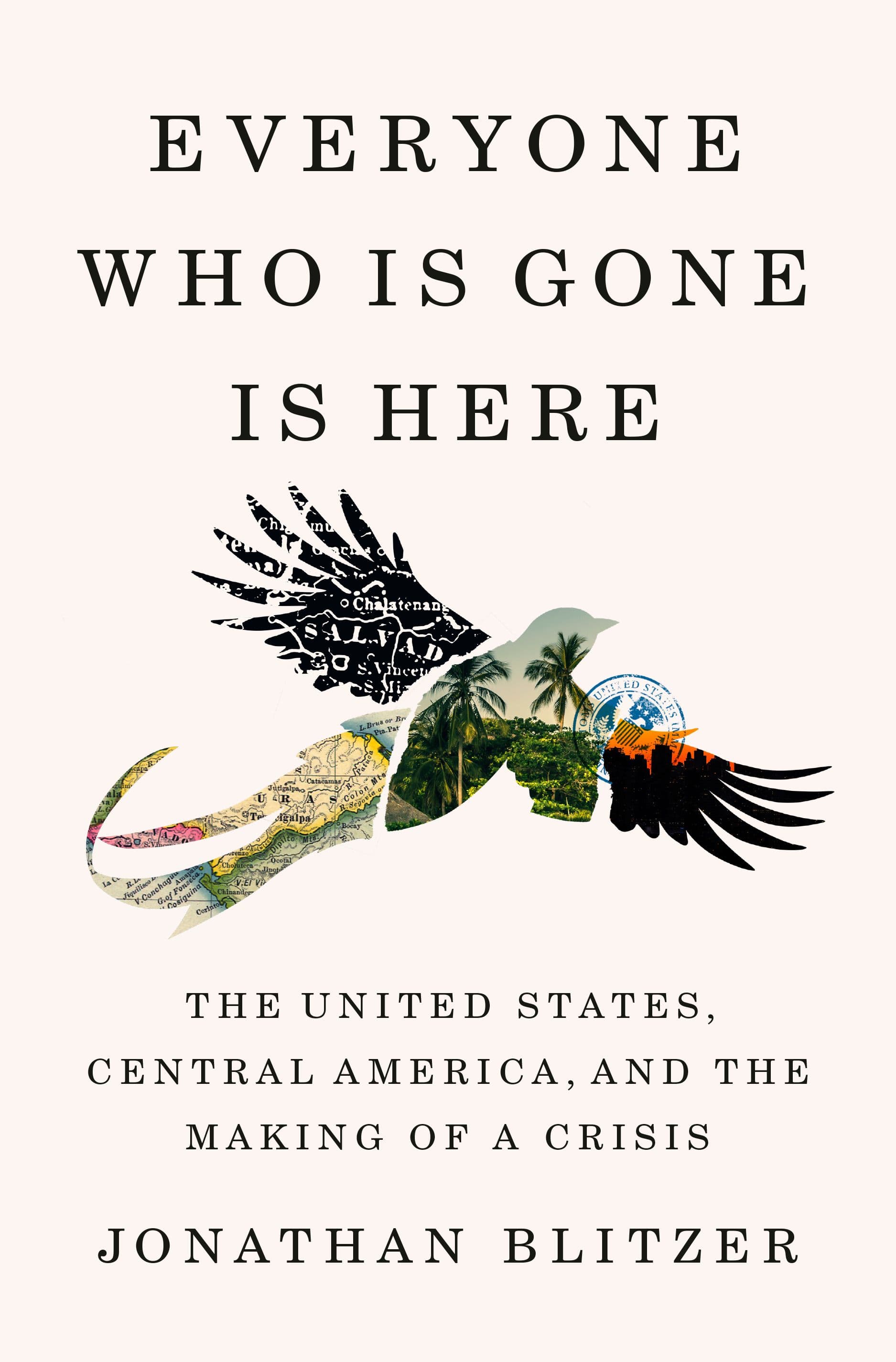
Blitzer brings the rigor of long-form journalism and the accessibility of narrative nonfiction to one of the most contentious issues of our time. His years of reporting for The New Yorker provide the foundation for nuanced analysis that avoids both sentimentality and cynicism while maintaining deep empathy for his subjects. Readers who appreciated The Devil We Know by Gerald Posner or The Line Becomes a River by Francisco Cantú will recognize Blitzer's commitment to revealing the human stories behind policy debates. The book's strength lies in its ability to connect individual experiences to larger systemic failures, showing how personal tragedies are often the result of political decisions made far from the border. Blitzer's bilingual reporting and cultural understanding bring authenticity to his portrayal of Central American communities, while his insider access to government officials provides crucial context about policy formation. His writing is clear and engaging without sacrificing the complexity necessary to understand such a multifaceted issue. While the subject matter is inherently political, Blitzer focuses on facts and human impact rather than partisan arguments, making the book accessible to readers across the political spectrum. The author's background covering immigration policy gives him unique insight into how bureaucratic processes affect real lives. Perfect for readers seeking to understand current immigration debates, policymakers looking for evidence-based analysis, and anyone interested in contemporary American social issues. Everyone Who is Gone is Here stands as essential reading for understanding one of the defining challenges of our era, combining rigorous journalism with profound humanity.