Our Take
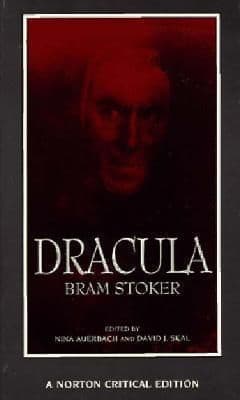
Though Dracula wasn't the first vampire novel, it defined the modern vampire myth and created an archetype so powerful it continues to resonate more than a century later. Stoker's genius lies in how he combines elements of Eastern European folklore, Gothic fiction, and Victorian anxieties to create a monster who embodies multiple fears: the foreign "Other," sexual transgression, contagion, and the tension between ancient superstition and modern rationality. The novel's epistolary structure—using journal entries, letters, and newspaper clippings—creates an atmosphere of verisimilitude that makes the supernatural elements more disturbing. This format also allows Stoker to present multiple perspectives while gradually building dread as different characters' experiences begin to intersect. Beyond its horror elements, Dracula offers fascinating insights into late Victorian society, particularly its sexual politics. The stark contrast between the "pure" Mina and the more sensual Lucy (and her transformation into a predatory vampire who feeds on children) reflects period anxieties about female sexuality. Similarly, the "blood transfusions" Lucy receives from her various suitors function as a metaphor for competing male claims over women's bodies. What makes the novel enduringly powerful is how Dracula himself functions as a perfectly ambiguous symbol—simultaneously repulsive and alluring, ancient and adapting to modernity, a threat to society yet reflecting its repressed desires. As both a gripping adventure tale and a rich text for cultural analysis, Dracula continues to cast its shadow over contemporary literature, film, and our collective imagination.