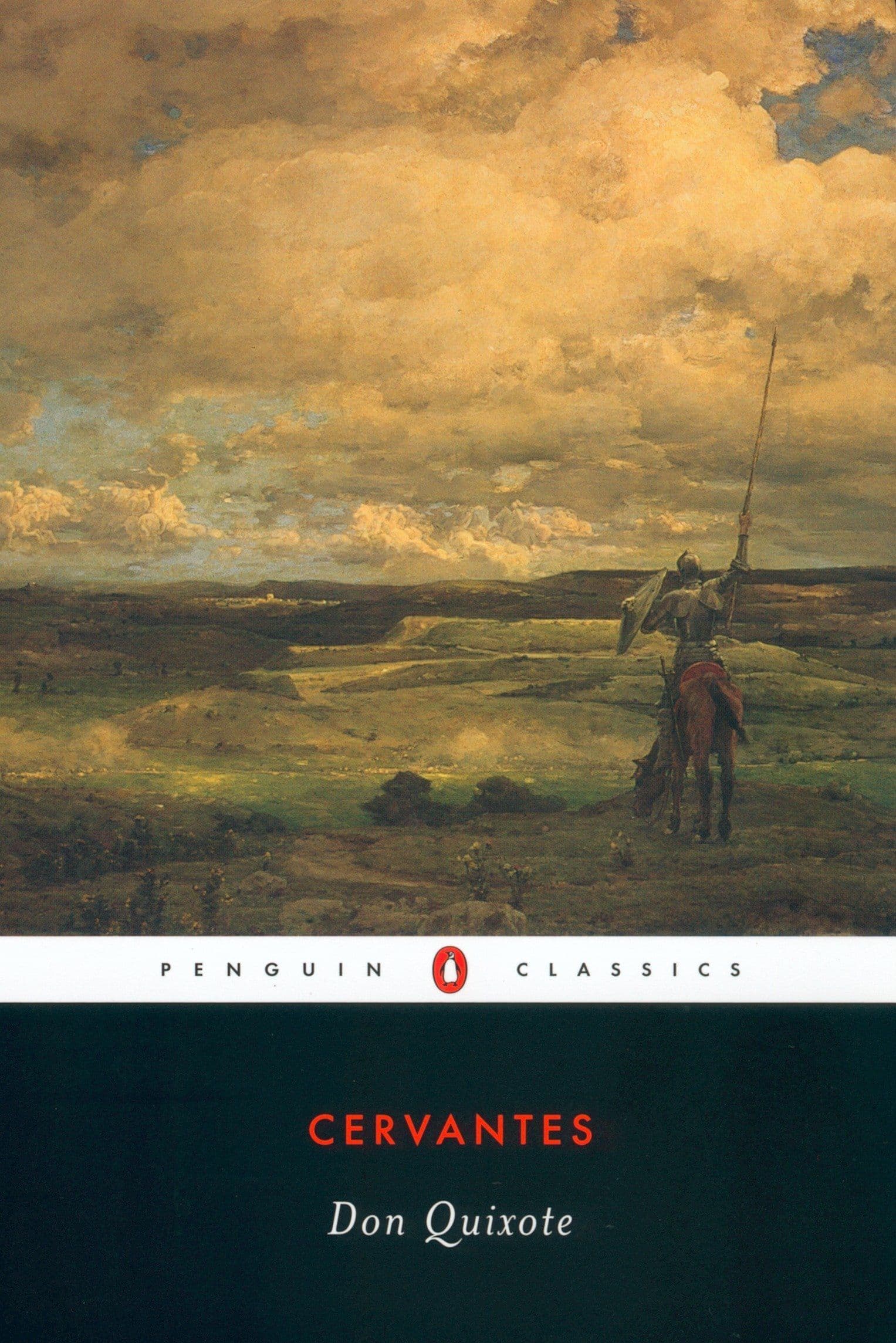
Our Take
Don Quixote is often cited as the first modern novel, and with good reason—it revolutionized literature through its complex characterization, self-awareness, and blend of comedy and tragedy. What begins as a straightforward satire of chivalric romances evolves into something far more profound: an exploration of the relationship between fiction and reality, idealism and pragmatism, that continues to resonate more than four centuries after its publication. The genius of Cervantes lies in how he transforms Quixote from a figure of ridicule into a deeply sympathetic character whose madness contains a kind of wisdom. Similarly, Sancho Panza evolves from a one-dimensional comic foil into a complex individual who becomes increasingly "quixotized" even as his master becomes more realistic. Beyond its psychological depth, the novel's innovative narrative techniques—including multiple narrators, stories within stories, and meta-fictional elements where characters discuss the book itself—established narrative possibilities that authors are still exploring today. Perhaps most remarkably, Don Quixote manages to be simultaneously one of literature's funniest books and one of its most poignant, posing the eternal question of whether it is better to see the world as it is or as it should be.