Our Take
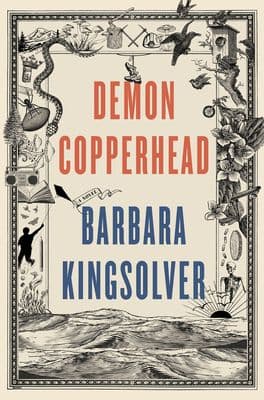
Kingsolver has achieved something extraordinary by updating Dickens's classic for contemporary America, creating a novel that is both homage and entirely original work. Her deep knowledge of Appalachian culture and her commitment to environmental and social justice issues inform every page, resulting in a story that feels both authentic and urgent. Readers who appreciated Hillbilly Elegy by J.D. Vance will find a more nuanced and empathetic portrayal of rural poverty, while those who loved The Poisonwood Bible will recognize Kingsolver's gift for combining compelling storytelling with social commentary. The novel's greatest achievement lies in Demon's voice—authentic, resilient, and deeply human despite the trauma he experiences. Kingsolver avoids both condescension and romanticization, instead presenting a complex portrait of a community struggling with real problems while maintaining dignity and hope. Her exploration of the opioid crisis feels particularly important, showing how corporate malfeasance and systemic neglect create conditions for addiction while individuals bear the consequences. The book's length allows for deep character development and thorough exploration of the issues it addresses, making every page feel necessary rather than indulgent. While the subject matter is often heartbreaking, Kingsolver's skilled storytelling and Demon's indomitable spirit prevent the novel from becoming overwhelmingly depressing. Perfect for readers who appreciate literary fiction that tackles social issues, anyone interested in contemporary American literature, and those seeking to understand the complexities of rural poverty and the opioid crisis. Demon Copperhead stands as essential reading that expands our understanding of American inequality while honoring the resilience of those fighting against impossible odds.