Our Take
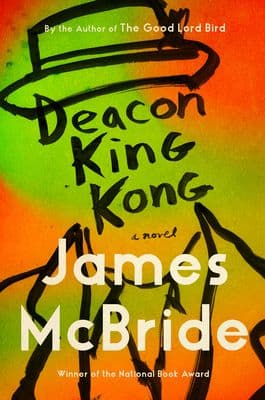
James McBride has crafted a sprawling, joyous novel that somehow balances laugh-out-loud humor with profound insights about community, loss, and survival. Deacon King Kong begins with what seems like a simple crime story—why did an elderly alcoholic church deacon shoot a young drug dealer?—but unfolds into a rich tapestry of interconnected lives in 1969 Brooklyn. McBride populates the Causeway Housing Projects with an unforgettable ensemble cast: Sportcoat himself, perpetually drunk on his homemade "King Kong" moonshine and conversing with his dead wife; the mobsters who control the neighborhood cheese racket; the earnest cops trying to navigate racial tensions; and the church ladies who form the moral backbone of the community. What makes the novel extraordinary is McBride's ability to render each character with dignity and humanity, revealing how seemingly disparate communities—Black, Puerto Rican, Italian, Irish—are bound together by shared history and mutual dependence. The prose crackles with energy and dialect, capturing the rhythms of street life and church services alike. McBride writes about structural racism and poverty without losing his sense of humor or hope, showing how people create meaning and joy even in difficult circumstances. The plot involves mobsters, missing church funds, a mysterious treasure, and several love stories, all woven together with remarkable skill. Readers who loved Colson Whitehead's Harlem Shuffle or appreciated the ensemble storytelling of The Wire will be captivated. For anyone seeking fiction that celebrates community resilience with both comedy and compassion, Deacon King Kong is a triumphant achievement.