Our Take
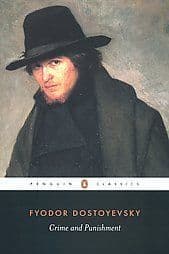
Crime and Punishment stands as the ultimate psychological thriller—a genre Dostoevsky essentially invented with this masterpiece of literary realism. The novel's power comes from its unprecedented access to Raskolnikov's feverish consciousness, allowing readers to experience the claustrophobic intensity of his moral disintegration from within. Dostoevsky brilliantly employs St. Petersburg's sweltering summer heat, cramped living conditions, and labyrinthine streets as external manifestations of his protagonist's mental state, creating an atmosphere of suffocating inevitability. Though ostensibly a crime novel, Crime and Punishment transcends genre to become a profound philosophical exploration of morality, nihilism, and redemption that anticipated existentialism by decades. The supporting characters—from the saintly Sonya to the cat-and-mouse detective Porfiry—all serve as moral and philosophical counterpoints to Raskolnikov's theory of the "extraordinary man." What makes the novel enduringly relevant is how it dramatizes timeless questions about the limits of human freedom, the consequences of moral relativism, and whether rationalism alone can provide a foundation for ethics. In an age of ideological extremism, Dostoevsky's warning about the dangers of abstract theories divorced from human compassion remains as urgent as ever.