Our Take
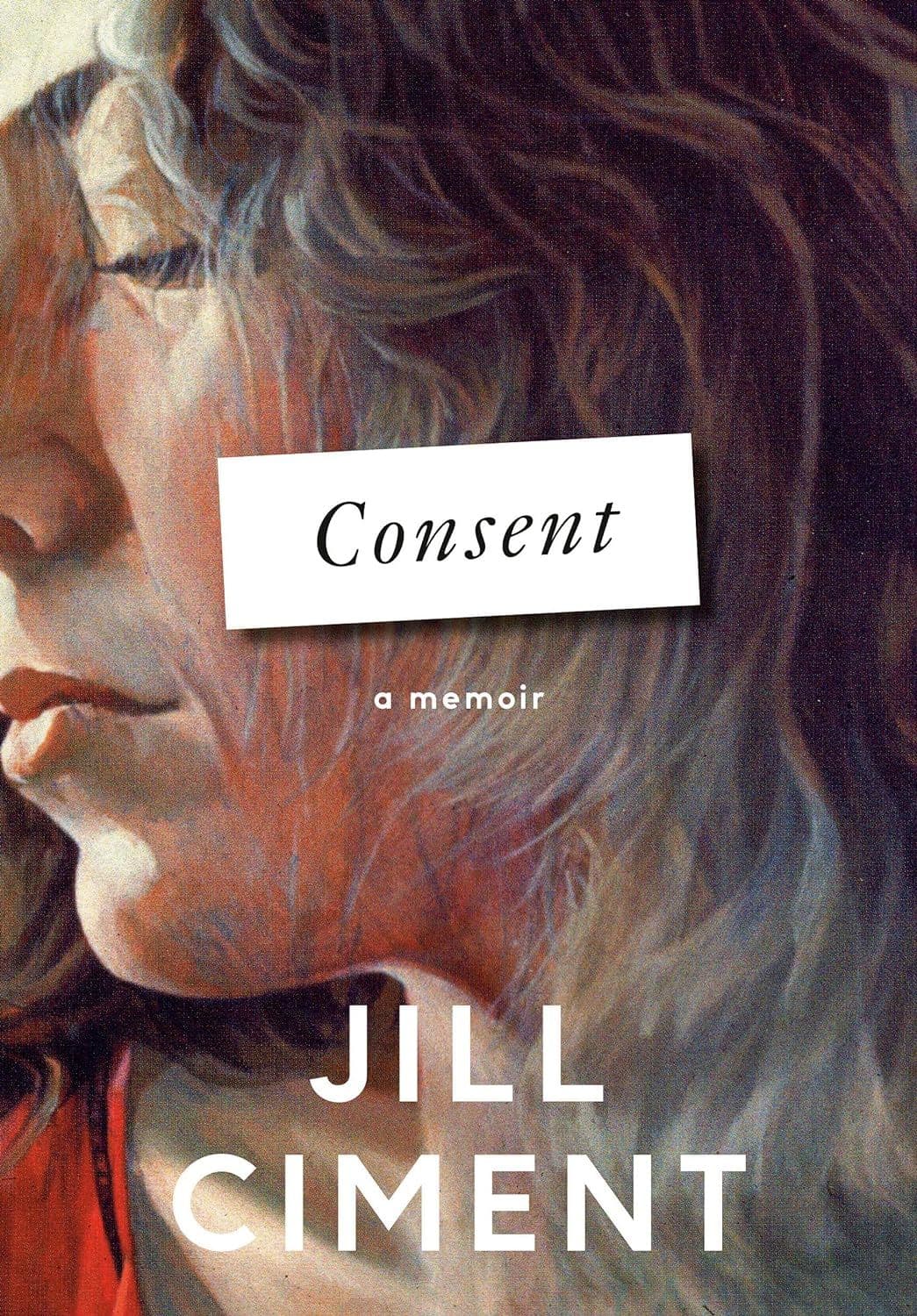
Jill Ciment has written something extraordinarily brave with Consent—a memoir that revisits her own earlier memoir with the critical distance that decades and cultural shifts provide. What makes this book remarkable is Ciment's refusal to simply disavow her younger self's experience or retroactively reframe a complicated relationship through a single lens. She acknowledges that her teenage affair with her much older, married painting teacher involved real love, genuine intellectual partnership, and a marriage that lasted forty-five years—while simultaneously recognizing the power imbalance and ethical problems she couldn't or wouldn't name in 1996. The book arrives at a cultural moment when we're collectively reckoning with questions of consent, power dynamics, and how age differences affect relationships, particularly those involving minors. Ciment doesn't offer easy answers but instead demonstrates the complexity of looking back at formative experiences through multiple frames. Her prose is clear and unsentimental, neither romanticizing the past nor condemning it wholesale. The book raises provocative questions: Can a relationship built on problematic foundations still contain real love? How do we reconcile our younger selves' choices with our current understanding? What responsibility do we have to tell the whole truth about our lives, even when that truth is contradictory? Ciment's willingness to interrogate her own narrative authority and acknowledge what she couldn't see then makes this more than a typical memoir—it's a meditation on memory, storytelling, and how cultural contexts shape what we can know about our own experiences. Readers who appreciated Carmen Maria Machado's In the Dream House or appreciated memoirs that question their own reliability will find Consent compelling. For anyone interested in discussions of power, consent, and the stories we tell about our formative relationships, this is essential, thought-provoking reading.