Our Take
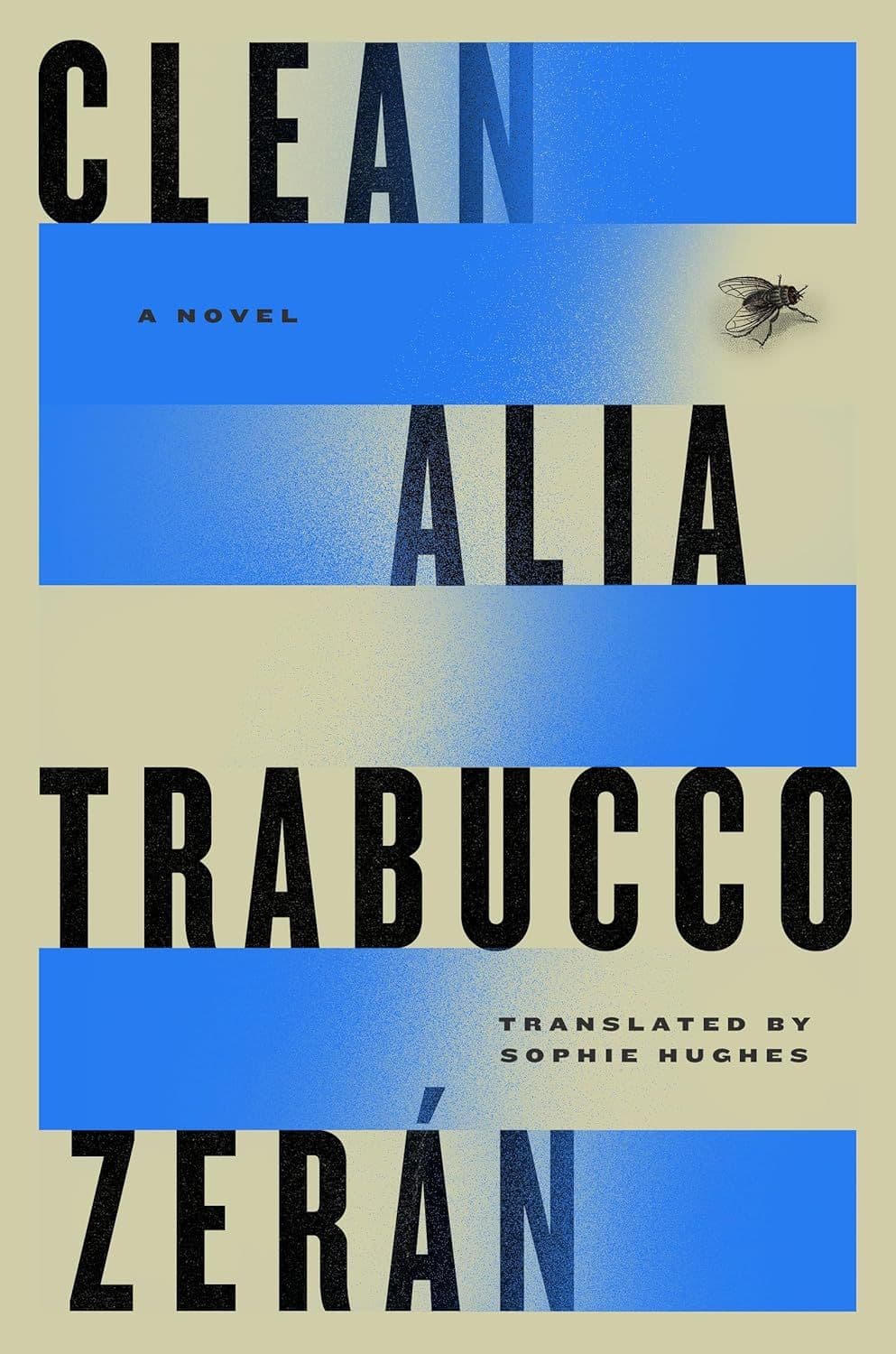
Alia Trabucco Zerán has crafted a devastating masterpiece that functions simultaneously as a gripping psychological thriller and a searing indictment of class inequality. The brilliance lies in her narrative strategy—by having Estela address unseen interrogators, Zerán forces readers into the uncomfortable position of those who would judge her while remaining blind to the systemic exploitation that created this tragedy. The author's background as an International Booker Prize finalist for The Remainder is evident in her sophisticated handling of voice and social critique. Sophie Hughes' translation captures the rhythmic, almost hypnotic quality of Estela's testimony, making her both unreliable narrator and moral center of the story. What makes this especially powerful is Zerán's refusal to sensationalize—the horror comes not from graphic violence but from the quiet, daily erosions of dignity that domestic workers endure. The book expertly builds tension through Estela's seemingly mundane observations, each detail adding to an atmosphere of inevitable catastrophe. For readers who appreciated the class consciousness in Leila Slimani's The Perfect Nanny or the domestic gothic atmosphere of Sarah Waters' The Little Stranger, this offers similar rewards with distinctly Latin American perspectives on labor and exploitation. Clean is essential reading for anyone interested in contemporary literature that doesn't shy away from uncomfortable truths about power, privilege, and the price of maintaining class hierarchies.