Our Take
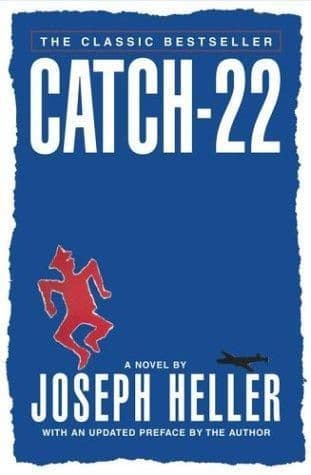
Heller's masterpiece performs the remarkable feat of being simultaneously one of literature's funniest and most disturbing novels. Catch-22 revolutionized war fiction by rejecting both heroic narratives and solemn tragedy in favor of absurdist comedy that gradually reveals the true horror beneath its surface. The novel's greatest innovation is how its form embodies its content—its fragmented chronology, circular logic, and repetitive structure mirror the bureaucratic insanity it depicts. The titular catch-22 has entered our language precisely because it so perfectly captures the no-win scenarios created by institutional power. What makes the novel enduringly subversive is how it exposes the predatory logic of modern organizations that present themselves as rational while pursuing fundamentally irrational aims. Beneath the comedy, Heller constructs a devastating moral argument: in a world where corporations profit from death (Milo Minderbinder) and officers advance careers through soldiers' sacrifice (Colonel Cathcart), Yossarian's "cowardice" becomes the only rational, even heroic response. The novel's tonal shift—from the farcical early chapters to the increasingly grim later sections culminating in Snowden's horrific death—creates one of literature's most effective emotional journeys. Though set in World War II, the novel spoke directly to Cold War anxieties about nuclear annihilation and institutional madness, while continuing to resonate with readers confronting the absurdities of contemporary systems that sacrifice human welfare for abstract goals.