Our Take
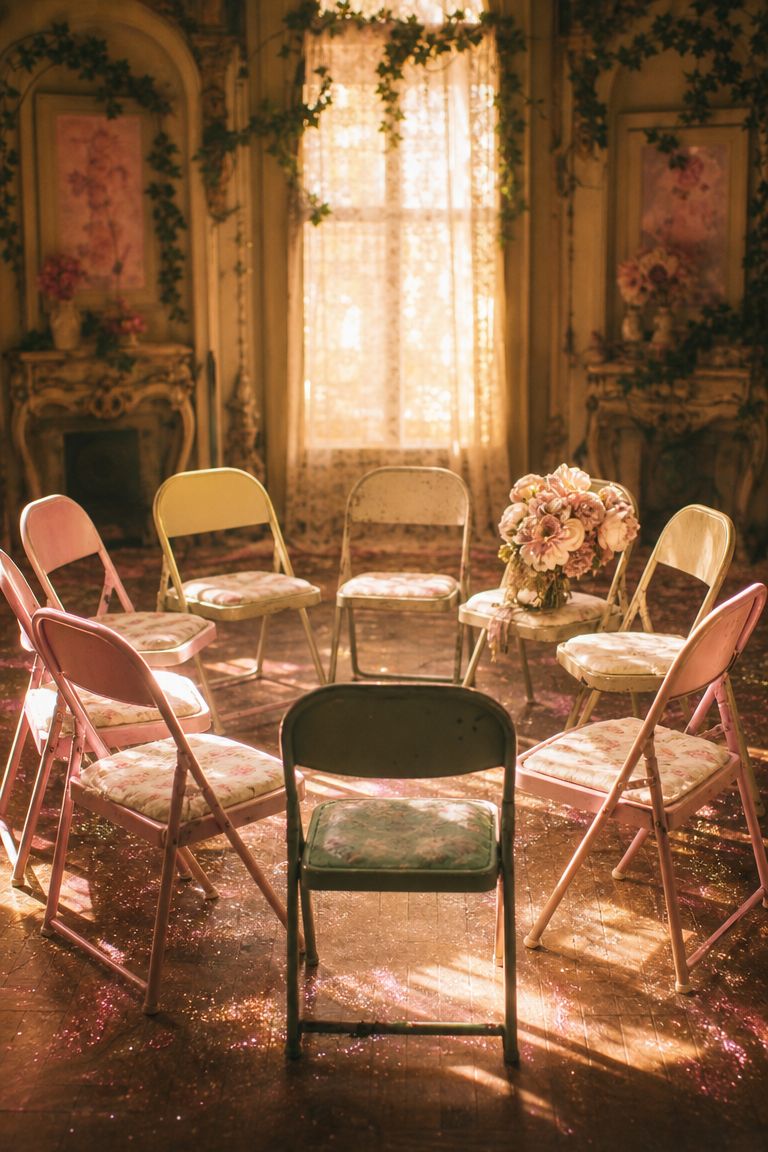
Bunny is the rare book that's genuinely, unapologetically funny while also being deeply strange and a little terrifying. Mona Awad has crafted a satire so specific to MFA culture and toxic female friend groups that it reads almost like an inside joke, except the joke has teeth. The prose is playful and sharp, packed with absurdist flourishes and dark humor that catches you off guard between moments of real dread. Fans of The Vegetarian by Han Kang will recognize the way Awad lets reality bend without ever fully explaining itself, while readers of My Year of Rest and Relaxation by Ottessa Moshfegh will appreciate the acidic wit aimed at privileged, insular communities. There's also a kinship with Bunny's campus horror cousin, Ninth House by Leigh Bardugo, in how both use elite institutions as breeding grounds for something sinister. What makes Awad's satire land is her commitment to the bit: the Bunnies' saccharine speech patterns, their cultish rituals, and Samantha's increasingly unreliable narration all build a world that's funny precisely because it's so committed to its own weirdness. This is a book for readers who like their humor pitch black, their campus novels a little unhinged, and their satire with real bite. If you've ever side eyed a friend group that felt a little too tight knit, this one's for you.