Our Take
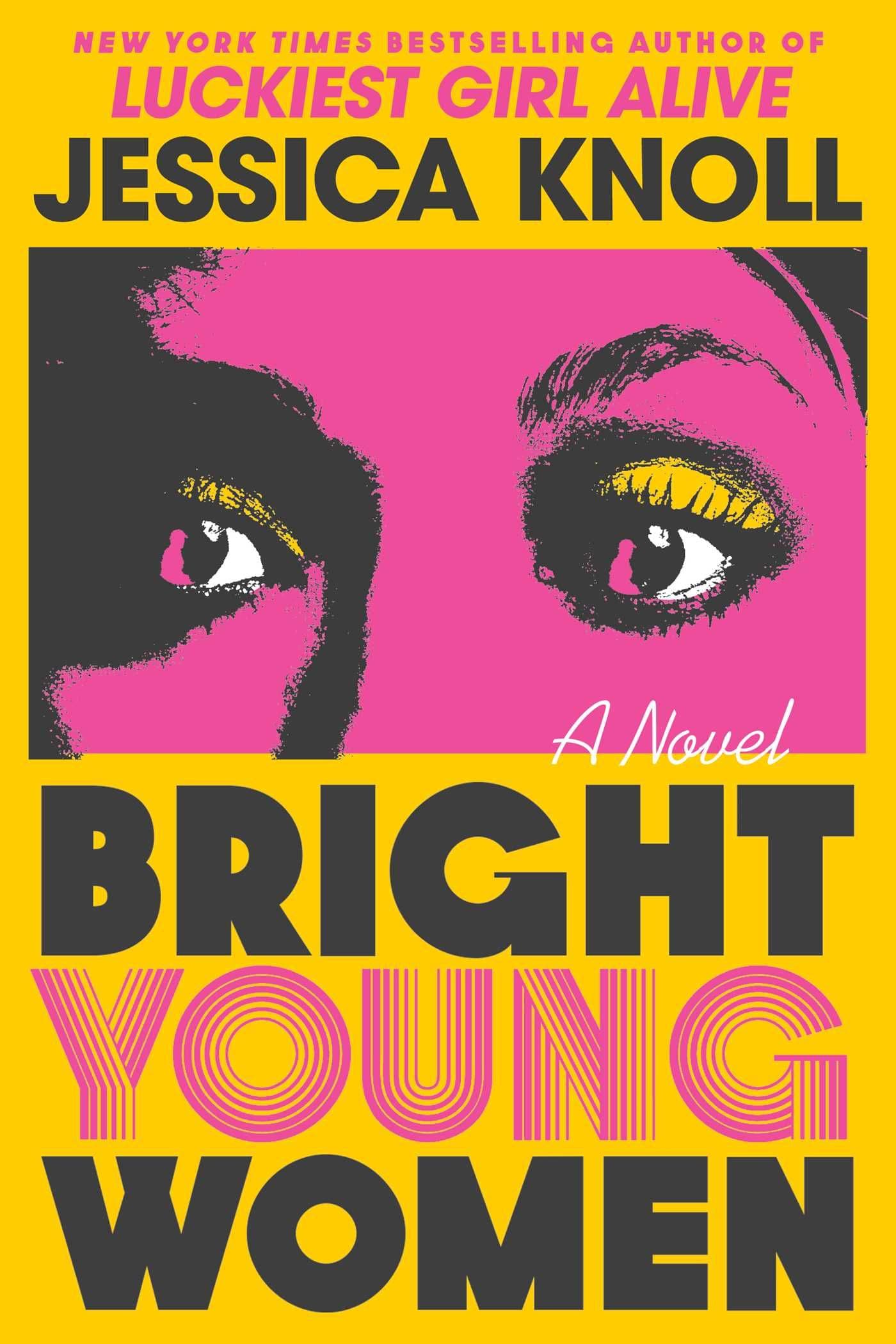
Knoll has accomplished something remarkable by taking one of the most exploited crime stories in American history and completely reframing it to center the experiences of survivors and victims rather than the perpetrator. Her previous work exploring trauma and resilience in Luckiest Girl Alive prepared her well for this ambitious project that combines meticulous historical research with powerful feminist storytelling. Readers who appreciated My Education by Susan Choi or The Seven Moons of Maali Almeida by Shehan Karunatilaka will recognize Knoll's skill at using familiar frameworks to tell previously untold stories. The novel's strength lies in its refusal to sensationalize violence while still creating genuine suspense and emotional investment in the characters' journeys. Knoll's portrayal of 1970s attitudes toward women, victim-blaming, and law enforcement failures feels both historically accurate and painfully relevant to contemporary discussions about justice and media representation. Her decision to focus on the bonds between women—both survivors supporting each other and the journalist-survivor alliance—provides hope and agency within a story that could easily become overwhelmingly dark. The dual timeline structure allows Knoll to explore both immediate trauma responses and long-term effects of violence on individuals and communities. While some readers might find the subject matter challenging, Knoll handles it with sensitivity and purpose rather than exploitation. Perfect for readers interested in feminist retellings of historical events, those seeking crime fiction that prioritizes victims over killers, and anyone interested in how trauma affects communities and individuals. Bright Young Women stands as both gripping thriller and important social commentary, proving that familiar stories can be transformed when told from previously marginalized perspectives.