Our Take
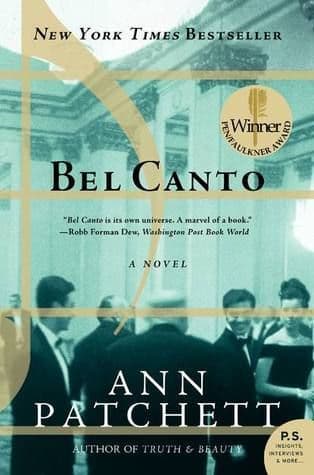
Bel Canto is a stunning achievement—a novel that takes a premise ripped from headlines and transforms it into something transcendent and deeply moving. Ann Patchett's prose is elegant and precise, creating an atmosphere where time seems suspended and the ordinary rules of the world no longer apply. What could have been simply a thriller becomes instead a meditation on beauty, connection, and our capacity for transformation. The genius of the novel lies in how Patchett makes the impossible feel inevitable—of course these people would fall in love, of course music would bridge their divides, of course humanity would emerge even in captivity. The ensemble cast is richly drawn, from the stoic Mr. Hosokawa to the luminous Roxane Coss to the young terrorists who are themselves transformed by proximity to art. The novel never romanticizes violence or minimizes the complexity of the political realities that created this crisis, yet it insists on the power of beauty and human connection as genuine forces in the world. The ending is heartbreaking and perfect. Readers who loved The English Patient by Michael Ondaatje or All the Light We Cannot See by Anthony Doerr will find similar pleasures here. Bel Canto is a modern classic that reminds us why we turn to literature—for its ability to illuminate the extraordinary within the ordinary and reveal our shared humanity.