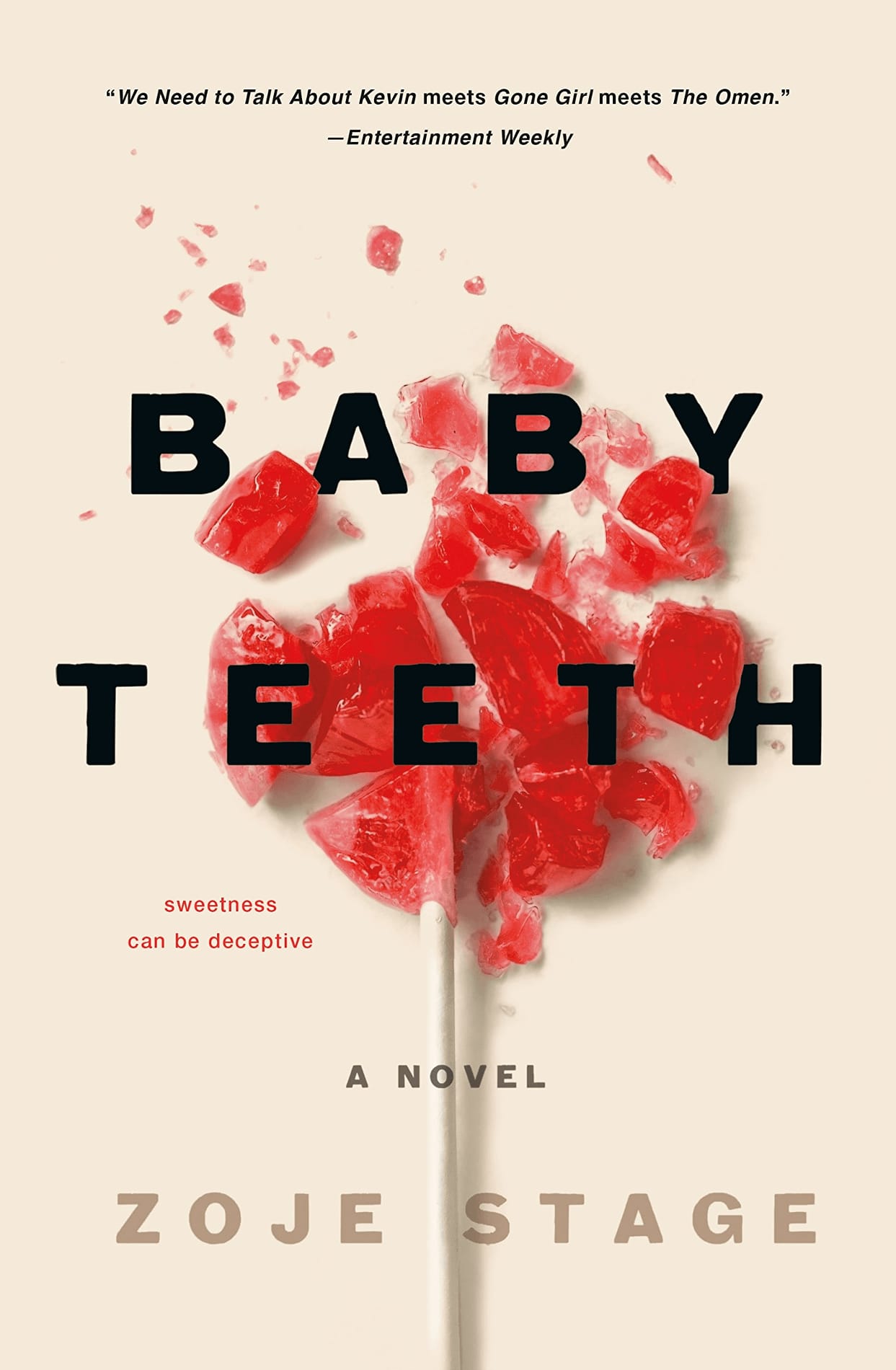
Baby Teeth
by Zoje Stage
"Stage creates something truly terrifying—a child character that will haunt your dreams and make you question everything about motherhood."
Synopsis
Seven-year-old Hanna has never spoken a word at school, leading teachers and administrators to believe she has selective mutism or other developmental issues. But her mother Suzette knows the disturbing truth: Hanna can speak perfectly well—she simply chooses not to, using her silence as a weapon of manipulation and control. At home, Hanna's behavior toward her mother ranges from coldly defiant to openly hostile, while she presents as the perfect, loving daughter to her adoring father Alex. Baby Teeth alternates between Suzette's increasingly desperate perspective as she tries to protect herself and get help for her daughter, and Hanna's chilling internal monologue that reveals the calculating mind of a child who wants nothing more than to eliminate her mother from the family. As Suzette's mental and physical health deteriorates under the constant stress, she faces the impossible situation of being terrorized by her own child while no one else believes her. The novel explores the taboo subject of maternal ambivalence and the horror of loving someone who seems incapable of love in return. Stage creates a psychological thriller that questions the nature versus nurture debate while examining the darkest corners of family dynamics and the lengths to which both mothers and daughters will go to protect what they believe is rightfully theirs.
Our Take
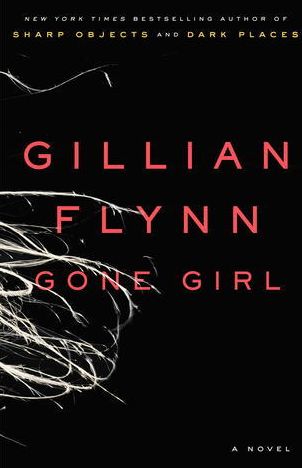
Zoje Stage has crafted one of the most disturbing and compelling psychological thrillers in recent memory, tackling the taboo subject of problematic parent-child relationships with unflinching honesty and genuine terror. Her dual perspective structure is masterful, allowing readers to experience both Suzette's mounting desperation and Hanna's calculated malevolence. What makes this book truly frightening isn't supernatural horror but the very real possibility of a child capable of such manipulation and violence. Stage's background in theater and film brings cinematic tension to every scene, making this impossible to put down despite its genuinely unsettling content. Readers who were captivated by Gone Girl by Gillian Flynn will appreciate the unreliable narrators and domestic psychological warfare, while fans of We Need to Talk About Kevin by Lionel Shriver will recognize similar themes about maternal guilt and childhood evil. Like The Turn of the Screw by Henry James, this novel questions what's real versus imagined while maintaining genuine menace throughout. Stage handles the sensitive subject matter with skill, never exploiting the horror but using it to examine deeper questions about family bonds, mental illness, and societal expectations of motherhood. This is essential reading for thriller fans who aren't afraid to venture into genuinely dark territory and examine the most uncomfortable aspects of human nature.