Our Take
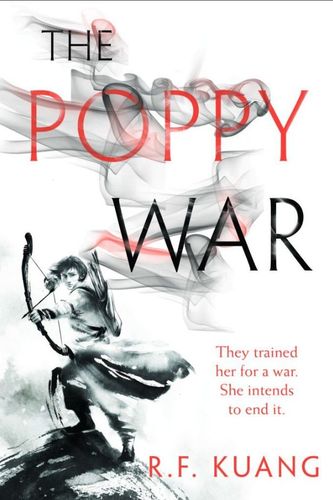
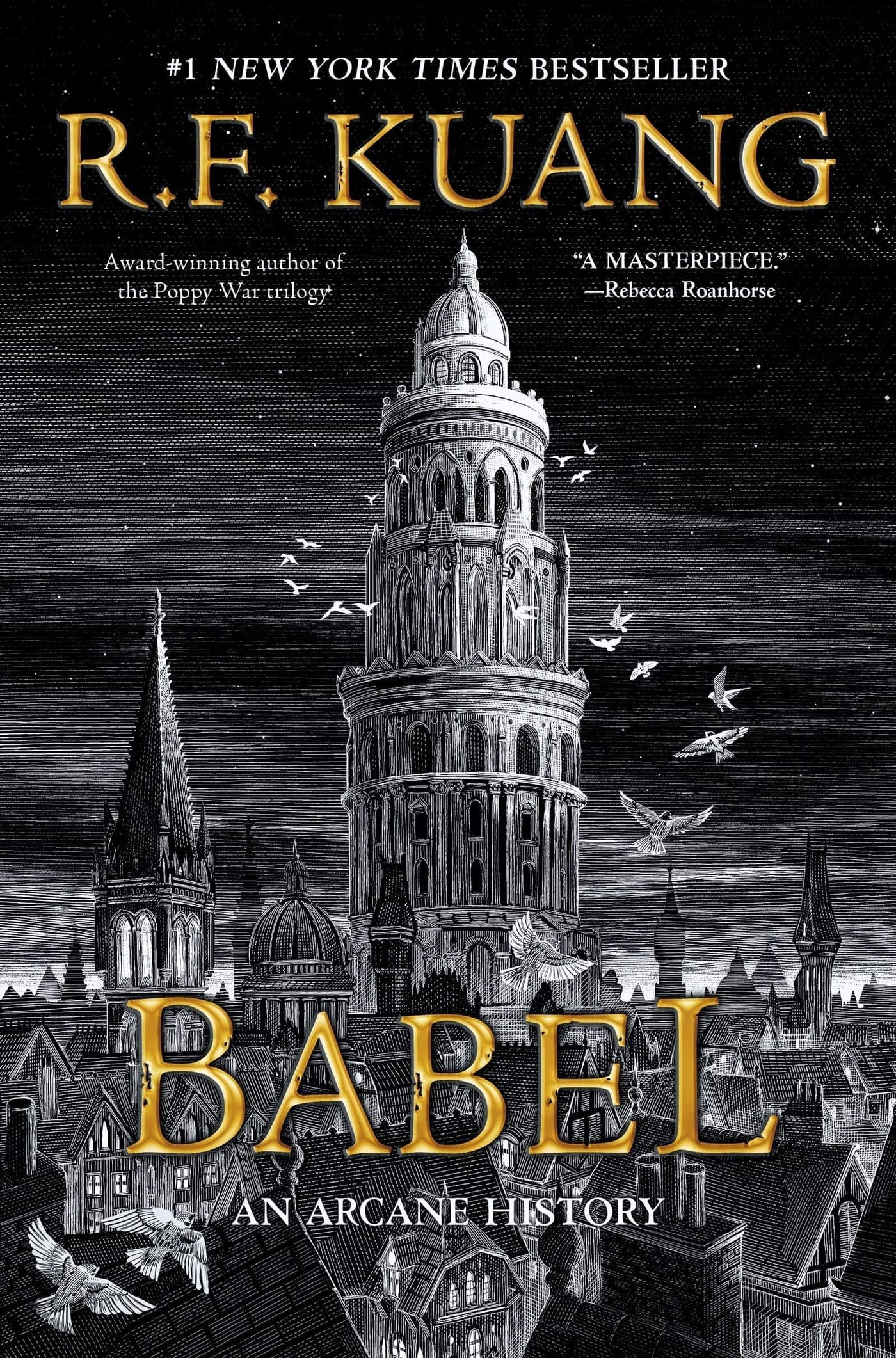
Kuang has created a masterwork that uses the dark academia setting to deliver one of the most sophisticated examinations of colonialism and academic complicity in contemporary fantasy literature. Her background in Chinese history and her experience as a graduate student at Oxford bring authenticity to both the historical setting and the academic culture she critiques. Readers who appreciated The Poppy War trilogy will recognize Kuang's unflinching approach to difficult subjects, while those who enjoyed The Atlas Six by Olivie Blake will be drawn to the academic magical setting with much sharper political edges. The magic system based on translation and linguistic nuance is brilliantly conceived, serving both as compelling fantasy element and perfect metaphor for how colonialism exploits cultural differences. Robin emerges as a complex protagonist whose journey from grateful scholarship student to revolutionary reflects the real experiences of colonized peoples navigating imperial institutions. Kuang's prose is both accessible and intellectually rigorous, making complex historical and theoretical concepts engaging without oversimplification. Her unflinching examination of how academic institutions can perpetuate colonial violence while claiming scholarly neutrality feels painfully relevant to contemporary debates about decolonizing education. The supporting characters each represent different responses to systemic oppression, creating a nuanced exploration of complicity, resistance, and privilege. While the novel's length and political weight make it demanding reading, the payoff is extraordinary for those willing to engage with its challenges. Perfect for readers seeking fantasy that grapples with real-world issues, anyone interested in postcolonial literature, and those who want their entertainment to challenge as well as entertain. Babel establishes Kuang as one of the most important voices in contemporary speculative fiction, proving that fantasy can be both magical and deeply political.