Our Take
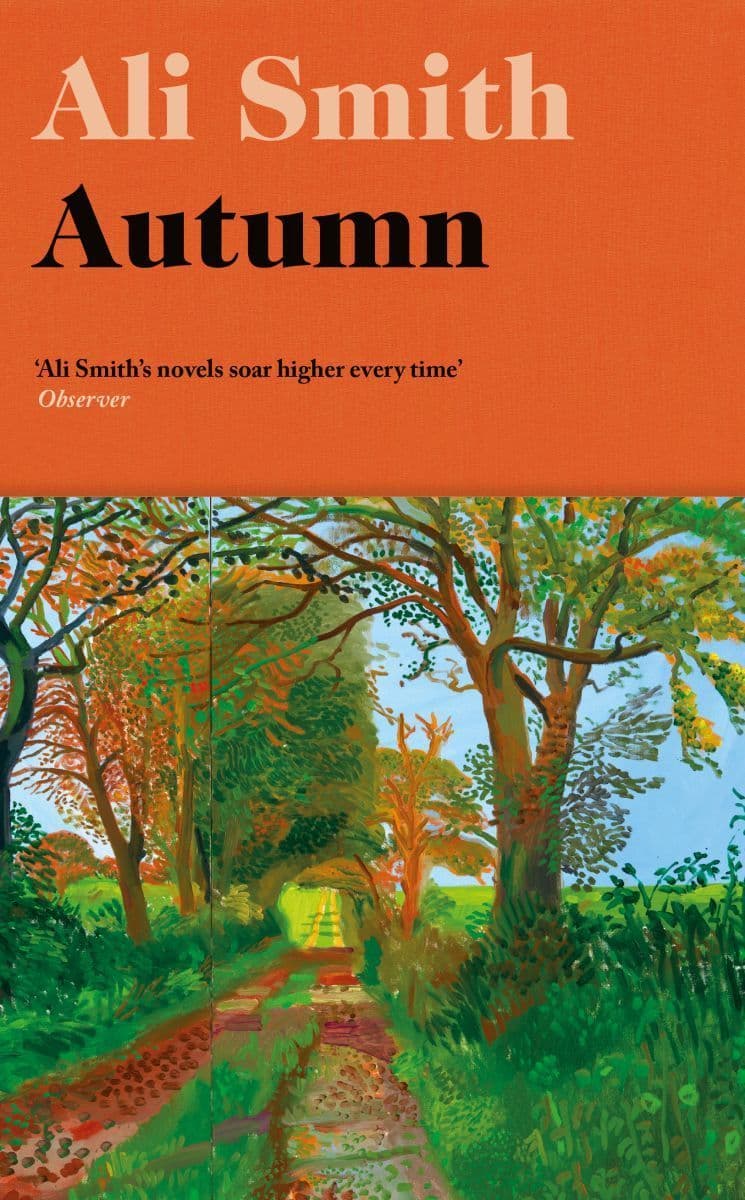
Ali Smith accomplished something remarkable with Autumn—she wrote and published a novel responding to Brexit within months of the referendum, making it one of the first "post-truth" novels and demonstrating fiction's capacity for immediacy. But Autumn is far more than a political response; it's a meditation on friendship across generations, on art's ability to transcend time, and on how we find connection in an increasingly fragmented world. The relationship between elderly Daniel and his former neighbor Elisabeth forms the novel's emotional core—their friendship, built on shared love of literature and art, persists even as Daniel slips in and out of consciousness in a care home. Smith writes with playful inventiveness, incorporating references to Pop artist Pauline Boty, weaving dreams and reality together, playing with typography and narrative structure. The prose is lyrical and digressive, moving from Brexit anxiety to childhood memories to meditations on Keats with fluid grace. Smith doesn't offer easy answers about Britain's divisions but instead explores how we might maintain humanity and connection despite them. The novel celebrates art, friendship, and stories as antidotes to the narrowing, hardening world of borders and nationalism. Some readers may find the experimental style challenging—Smith makes demands on her audience—but those willing to surrender to her rhythms will find profound rewards. The book works as both timely political commentary and timeless exploration of what endures: love, art, the changing seasons. Readers who appreciated David Mitchell's narrative experiments or enjoyed the intellectual playfulness of A.S. Byatt will find Smith's seasonal quartet essential. For anyone seeking fiction that engages seriously with our political moment while remaining deeply humane and formally inventive, Autumn is a masterpiece—the first volume of what became one of contemporary literature's most ambitious projects.