Our Take
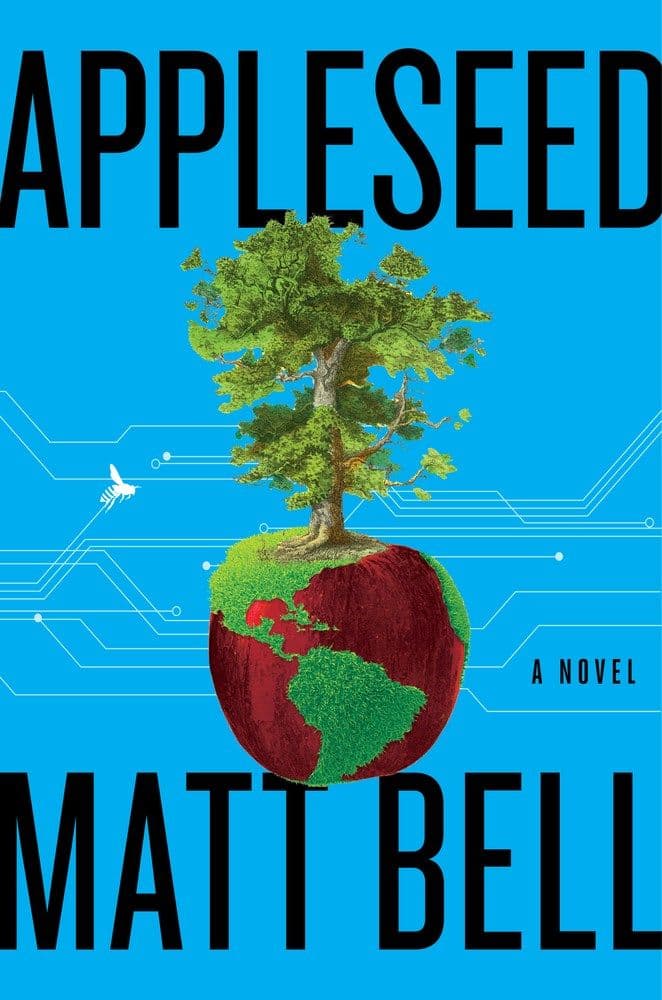
Appleseed is the kind of novel that announces a writer operating at the outer edge of what they can do — and pulling it off. Bell's three-timeline structure could easily collapse under its own ambition, but each strand is rendered with such specificity and imaginative commitment that they hold. The eighteenth-century frontier sections have the texture of myth; the near-future corporate thriller crackles with urgency; and the far-future glacial passages achieve something genuinely strange and moving — a kind of post-human elegy that shouldn't work as well as it does.
What unifies the three timelines is not plot mechanics but thematic obsession: the relationship between humans and land, between short-term exploitation and long-term consequence, between the stories civilizations tell about progress and what those stories actually cost. Bell is not subtle about these concerns, but he is never reductive — the novel earns its arguments through feeling and image rather than declaration.
Readers drawn to Jeff VanderMeer's Annihilation for its unsettling vision of a world that has moved past human control, or to Richard Powers's The Overstory for its sweeping ecological ambition, will find Appleseed a natural and rewarding companion. A breakout novel from a writer who thinks bigger than almost anyone working in speculative fiction today.