Our Take
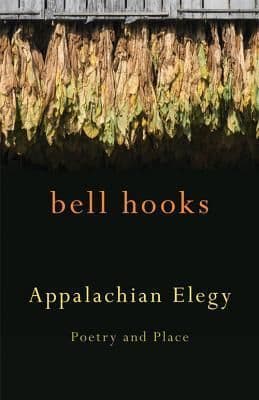
For readers who know bell hooks primarily through her cultural criticism and feminist theory, Appalachian Elegy offers a quieter, more inward register — and it is a revelation. hooks brings the same unsparing clarity to these poems that animates her prose, but the imagist form strips everything back to sensation and image, producing work that is spare without being cold and political without being didactic.
What hooks achieves here is difficult: a genuine elegy for a living place. She mourns what Appalachia has lost — to extractive industry, to cultural dismissal, to the slow dissolution of community — without eulogizing it as finished or fixed. The region emerges as contested, layered, and still very much present. Her grounding in the specific landscape of Kentucky gives the political its texture; these are not abstract arguments but felt ones.
Readers who have responded to Silas House's fiction for its fierce attentiveness to Appalachian life, or to the essays in The Book of Mev by Mark Chmiel for hooks's broader humanist vision, will find this collection a moving complement. A small book that leaves a large impression.