Non-Fiction

Recent Content

Say You'll Remember Me

Say You'll Remember Me

Say You'll Remember Me by Abby Jimenez: A veterinarian meets his match in a woman who can't commit—but their connection refuses to fade.

Read more
Hemlock & Silver

Hemlock & Silver

Hemlock & Silver by T. Kingfisher: A dark Snow White retelling where a poison-drinking healer must save a dying princess from magical threats.

Read more
Blacktop Wasteland

Blacktop Wasteland

Blacktop Wasteland by S.A. Cosby: A reformed getaway driver is pulled back into crime for one last heist that goes catastrophically wrong.

Read more
Checkout 19

Checkout 19

Checkout 19 by Claire-Louise Bennett: A radical novel about a young woman discovering her creative genius through books, people, and imagination.

Read more
Say Nothing

Say Nothing

Say Nothing by Patrick Radden Keefe: The mesmerizing true story of a mother's murder and Northern Ireland's Troubles and their aftermath.

Read more
See All Content
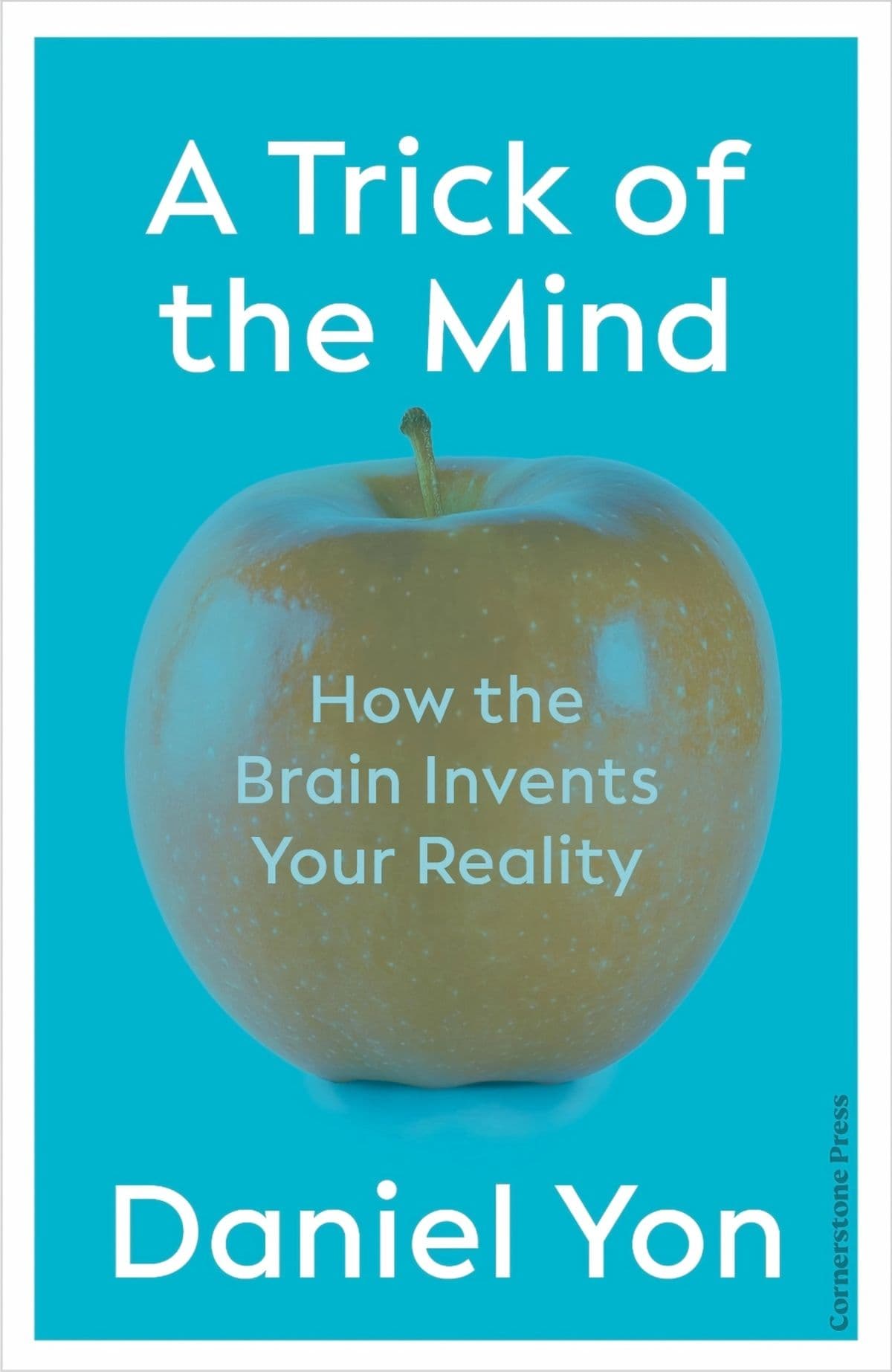
A Trick of the Mind book cover

A Trick of the Mind

by Daniel Yon

Science
Psychology
Neuroscience
271 Pages

"A Trick of the Mind fundamentally changed how I understand my own perception. Yon makes cutting-edge neuroscience accessible and thrilling."

Synopsis

How does your brain decide what it's seeing? For decades, scientists have struggled to understand how our minds process the physical world and interpret other people, not realizing the answer has been hiding in plain sight. The latest research in neuroscience and psychology reveals a stunning truth: your brain functions like a scientist, using past experiences to build theories about how the world works, then deploying these internal models to predict and make sense of reality. Through this process, your brain doesn't passively observe the world—it actively constructs the reality you inhabit. In A Trick of the Mind, neuroscientist Daniel Yon takes this groundbreaking research further, exploring how these mental models color your perception of everything around you, shape the judgments you make about others, and form the beliefs you hold about yourself. The implications are profound and far-reaching, offering transformative insights into how we engage with different communities, approach mental illness, and understand human consciousness itself. With captivating storytelling that makes cutting-edge science accessible and compelling, Yon reveals the hidden forces shaping our thoughts, beliefs, and even our sanity. This book will fundamentally change how you understand your own mind and the constructed nature of the reality you experience every day.

Our Take

Daniel Yon has written the rare popular science book that manages to be both rigorously current and genuinely entertaining. A Trick of the Mind presents the predictive processing framework—one of neuroscience's most exciting recent developments—without dumbing it down or overwhelming lay readers with jargon. What distinguishes Yon's approach is his willingness to explore the unsettling implications of his thesis: if our brains are constantly constructing reality based on expectations, what does that mean for truth, perception, and shared understanding? The book excels at connecting abstract neuroscience to everyday experiences, showing how predictive models explain phenomena from optical illusions to social misunderstandings to mental illness. Yon writes with clarity and warmth, making complex concepts feel intuitive rather than intimidating. His discussion of how different brains construct different realities has profound implications for empathy, communication, and our increasingly polarized world. The sections on mental health are particularly compelling, reframing conditions like anxiety and psychosis not as broken brains but as brains building models that don't match consensus reality. For readers who loved The Man Who Mistook His Wife for a Hat by Oliver Sacks or Incognito by David Eagleman, this offers similar intellectual excitement grounded in cutting-edge research. A Trick of the Mind is essential reading for anyone curious about consciousness, perception, and the constructed nature of human experience.


Related Content

Terms and ConditionsDo Not Sell or Share My Personal InformationPrivacy PolicyPrivacy NoticeAccessibility NoticeUnsubscribe
Copyright © 2026 Plot Digest