Our Take
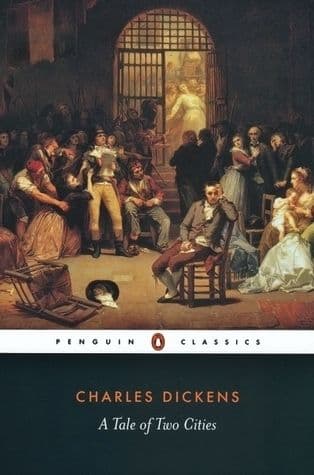
A Tale of Two Cities represents Dickens at his most dramatically focused, eschewing his usual panoramic social canvas and comic subplots for a tightly constructed historical novel centered on themes of resurrection, revolution, and redemption. The novel's enduring power comes from how it balances its sweeping historical backdrop—the French Revolution depicted in all its idealism, terror, and complexity—with intimate personal dramas that explore the Revolution's human costs and moral ambiguities. Dickens' genius lies in his ability to create unforgettable scenes and images that have become iconic: the echoing footsteps that foreshadow coming violence, the grim knitting of Madame Defarge encoding names of the condemned, and the blood-red sunset over Paris symbolizing the violence to come. The novel's dual settings allow Dickens to draw implicit parallels between conditions in France and England, suggesting that social injustice anywhere contains the seeds of violent upheaval. At the heart of the book is Sydney Carton's redemptive arc, transforming from a cynical, wasted life to the novel's moral center through his ultimate sacrifice—a character journey that exemplifies the Christian themes of resurrection that run throughout the narrative. Though less psychologically complex than Dickens' later works, A Tale of Two Cities achieves a near-perfect fusion of historical detail, symbolic richness, and emotional power that demonstrates why Dickens remains one of literature's most universally beloved storytellers.