Our Take
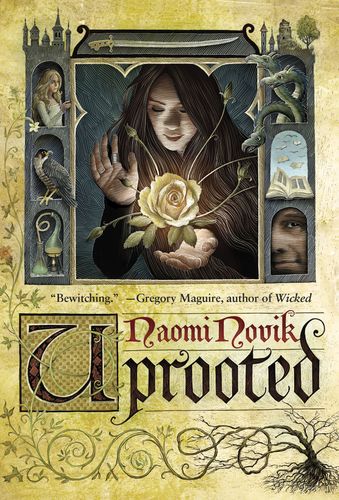
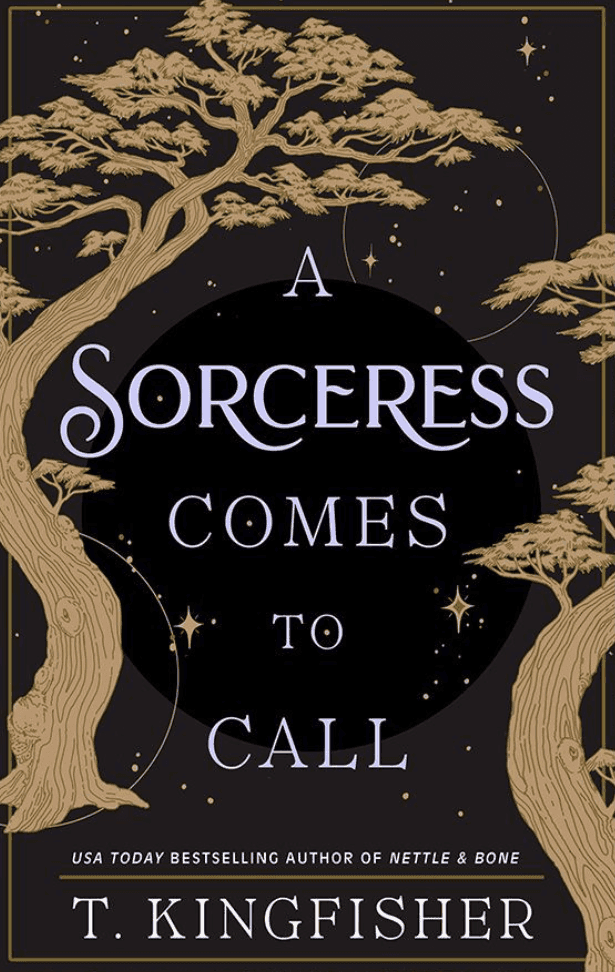
T. Kingfisher, whose previous works like Nettle & Bone and What Moves the Dead have established her as a master of dark, literary fantasy, delivers perhaps her most emotionally powerful novel yet. A Sorceress Comes to Call reimagines the Grimm tale "The Goose Girl" through the lens of domestic abuse, using magic as a metaphor for coercive control while never losing sight of the very real terror experienced by children trapped with abusive parents. What makes the book extraordinary is Kingfisher's refusal to soften the horror—Cordelia's mother is genuinely monstrous, using magic to literally control her daughter's body and mind—while still offering hope through Hester, the spinster sister who recognizes abuse when she sees it. Hester emerges as the novel's true hero: practical, observant, and willing to act despite her own fears and society's dismissal of unmarried women. Kingfisher writes with her characteristic blend of dark humor and genuine terror, creating moments that are both funny and deeply unsettling. The book works as both gripping fantasy and serious exploration of how abuse operates, how victims are silenced, and how intervention requires both courage and practical thinking. The prose is accessible and propulsive, making this feel less like literary fantasy and more like a thriller that happens to involve magic. Readers who loved Naomi Novik's Uprooted or Alix E. Harrow's darker fairy tales will be captivated. For anyone seeking fantasy that tackles difficult subjects with intelligence and heart while still delivering on story, A Sorceress Comes to Call is Kingfisher at her finest—proving once again that she's one of contemporary fantasy's most important voices.