Our Take
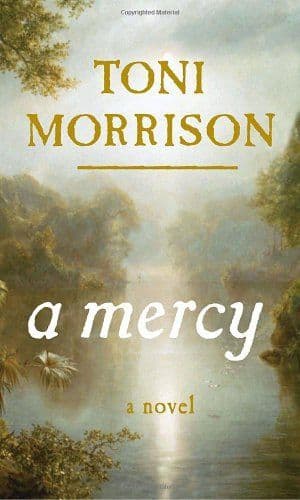
A Mercy is Toni Morrison returning to the territory of Beloved but pushing even further back in time, to a moment when American slavery was still forming its cruel shape. What makes this slim novel so powerful is how Morrison captures the fluidity and horror of that early period—when categories of race and servitude were still being codified, when freedom and bondage existed on a spectrum rather than as absolutes. Morrison's prose is characteristically luminous, layered with poetry and pain. Each character's voice is distinct and fully realized, from Florens's urgent, unschooled narration to the more measured perspectives of the other women in Jacob Vaark's household. The novel explores how women of different backgrounds—African, Native American, European—create fragile bonds of survival under patriarchal systems that view them as property. At the emotional center is the devastating relationship between Florens and her mother, and the impossible choice that haunts them both. Morrison never explains too much, trusting readers to sit with ambiguity and moral complexity. The ending is gutting. For readers who loved Beloved or The Underground Railroad by Colson Whitehead, this is essential reading. A Mercy proves once again why Morrison was one of America's greatest writers—her ability to illuminate history's darkest corners with unflinching honesty and transcendent grace.