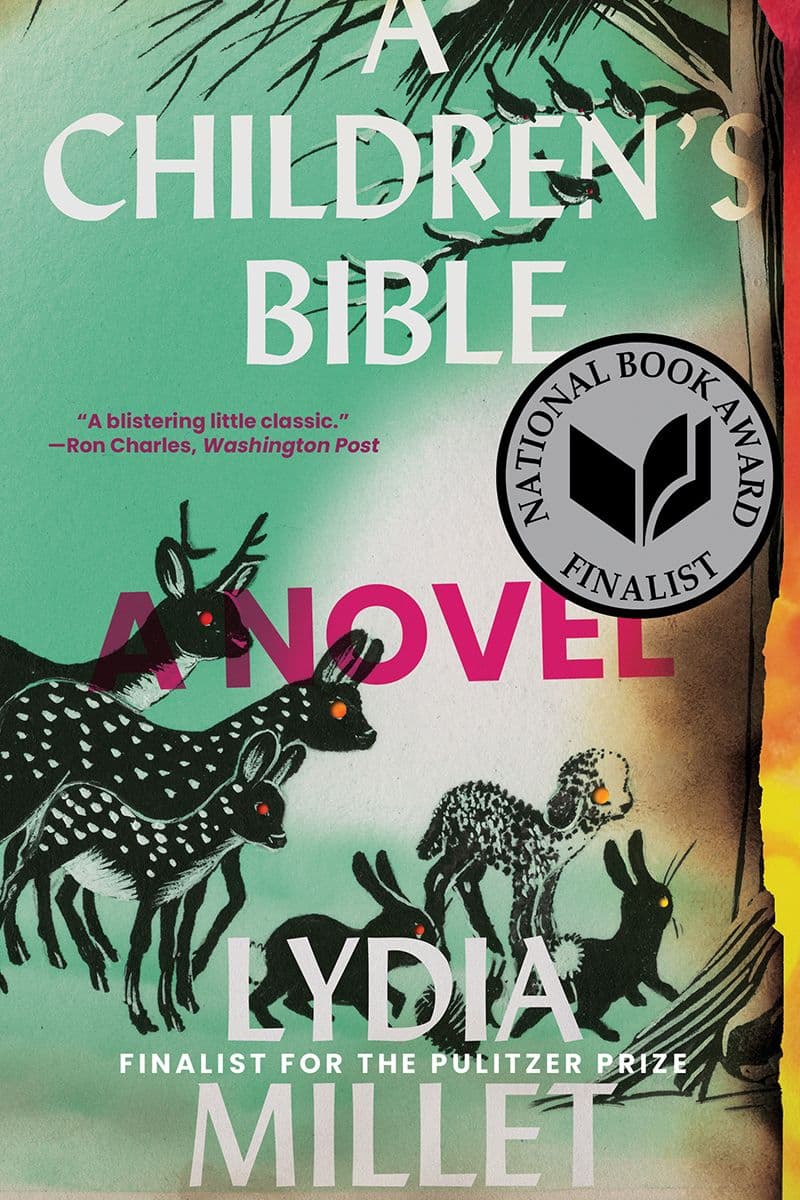
Our Take
Lydia Millet has long been one of our most important writers on environmental catastrophe, and A Children's Bible represents her most focused and powerful work on the subject. The novel operates on multiple levels simultaneously: as biting satire of wealthy, self-absorbed parents who've checked out of reality; as climate allegory depicting the world young people are inheriting; and as biblical retelling where the flood and exodus stories play out in contemporary America. What makes the book extraordinary is Millet's tonal control—she balances dark comedy with genuine tenderness, particularly in Eve's devotion to her younger brother and the children's fierce loyalty to each other. The parents are monstrous in their obliviousness, yet Millet never loses sight of the children's vulnerability or the tragedy of a generation forced into premature adulthood by their elders' failures. Written before the pandemic but published in 2020, the novel feels eerily prescient about generational rupture and environmental reckoning. Millet's prose is spare and precise, creating an unsettling atmosphere where normalcy slides into catastrophe almost imperceptibly. Readers who appreciated Emily St. John Mandel's Station Eleven or Jenny Offill's Weather will recognize Millet's ability to create literary fiction that grapples with climate anxiety without becoming didactic. For anyone seeking a novel that captures the moral failures of our moment while remaining deeply humane, A Children's Bible is essential, haunting, and unforgettable.